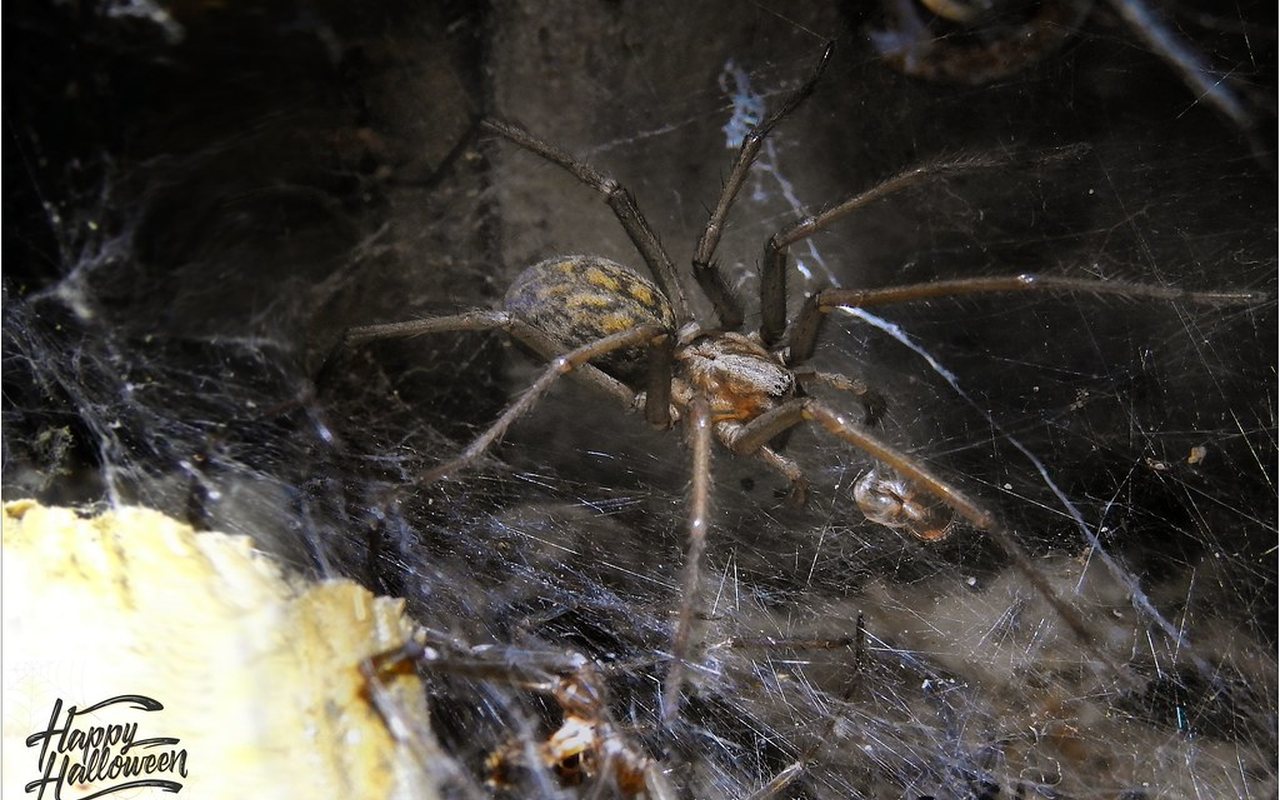
Spiders
Spider Control in Marysville, WA
Kill the spiders and you still have spiders, because you still have the insects they eat. Spider control is really insect control plus web removal.
Spider control in Marysville is mostly about two species and one misunderstanding. The giant house spider and the hobo spider are the ones people find in the tub and the garage, and neither one is the dangerous animal the internet says it is.
What is actually on your wall
The giant house spider, Eratigena atrica, is the big fast brown one that sprints across the carpet in September. Those are males, out looking for females, which is why every autumn feels like an invasion and every spring does not. It is harmless.
The hobo spider, Eratigena agrestis, is a close relative and looks nearly identical without a hand lens. For years it was blamed for necrotic bites in the Pacific Northwest. That association has not held up: the Centers for Disease Control removed it from its venomous spider list, and the research linking it to tissue damage has not been reproduced. Treat it as a nuisance spider.
Black widows are effectively absent from the wet side of the Cascades, and there are no brown recluse spiders in Washington. If you have been told otherwise about a spider in a Marysville garage, the identification is almost always wrong. What you do have, in numbers, are cellar spiders, cross orb weavers strung across every doorway in September, jumping spiders and sac spiders.
Spiders are a symptom
A spider is a predator sitting where the food is. The food is midges, mosquitoes, moths, flies and beetles, and in Marysville the single biggest driver of all of them is exterior lighting near a wet yard. A porch light burning all night against the backdrop of a lawn, a hedge and a slough half a mile away pulls in a cloud of flying insects, and the orb weavers set up shop precisely where the light meets the wall.
So the treatment starts with the conditions. Switch the exterior fixtures to warm amber or yellow bulbs, which attract dramatically fewer insects. Move the light away from the door where you can. Pull the ivy off the wall, cut the laurel back, get the woodpile off the foundation, clear the crawl-space clutter, and knock the webs down on a schedule, because a spider that has to rebuild every week usually leaves.
How a local exterminator treats spiders
A residual application goes on the exterior at the eaves, the soffits, the window and door frames, the foundation line, the deck framing and the garage perimeter, where spiders travel and hunt. Webs and egg sacs get physically removed with a pole and brush, because a residual product will not kill a spider that never touches the treated surface, and an egg sac left in the soffit is two hundred spiderlings in April.
Inside, the work is targeted: the garage, the crawl-space hatch, the utility room, the window wells, the boxes stacked against the wall in the basement. Broadcast interior spraying is not the answer for spiders and never has been.
And because the spiders followed the insects, a proper spider program treats the insect population at the same time. That means the same perimeter work that handles ants, and it means fixing the light.
- Exterior residual at the eaves, soffits, frames, foundation and deck framing
- Physical web and egg-sac removal, not just chemical treatment
- Insect control at the perimeter, because spiders follow their prey
- Exterior lighting and vegetation corrections that cut the food supply
- Targeted interior work in the garage, crawl space and utility room
Why September
Every year, in the first week of September, Marysville phones start ringing about spiders. Nothing has invaded. The male giant house spiders have reached maturity and left their retreats to find a mate, and they blunder into the middle of the living room floor at nine at night. It lasts about six weeks.
A house that got its perimeter treated in August, kept its webs knocked down and swapped the porch bulb has a much quieter September. If yours did not, that is what the call is for.
Read more on yellowjacket season in Marysville, or call 360-233-2008 and describe what you are seeing.
yellowjacket season in Marysville · All pest control services in Marysville
Related
People who called about this also called about
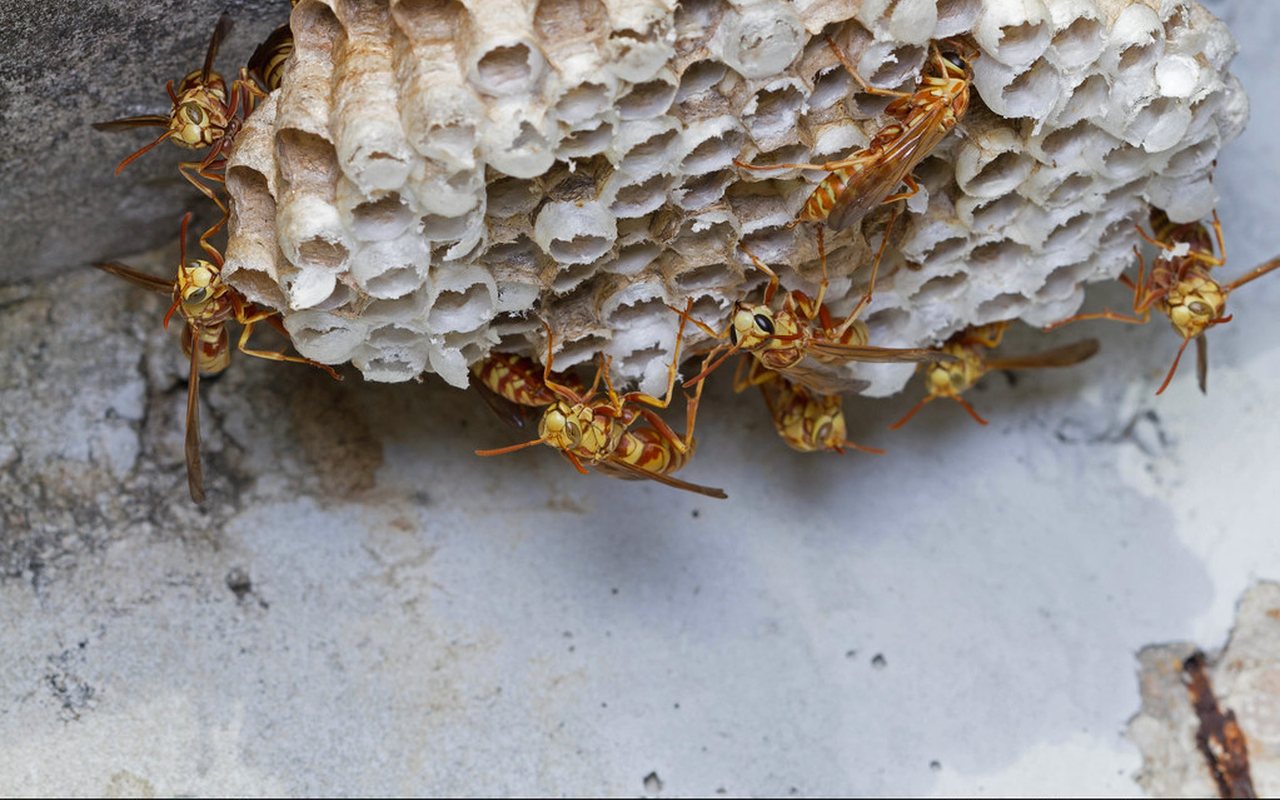
Wasps & Hornets in Marysville
August is the month. A ground nest of western yellowjackets under a lawn is the most common sting emergency in Snohomish County.
Read more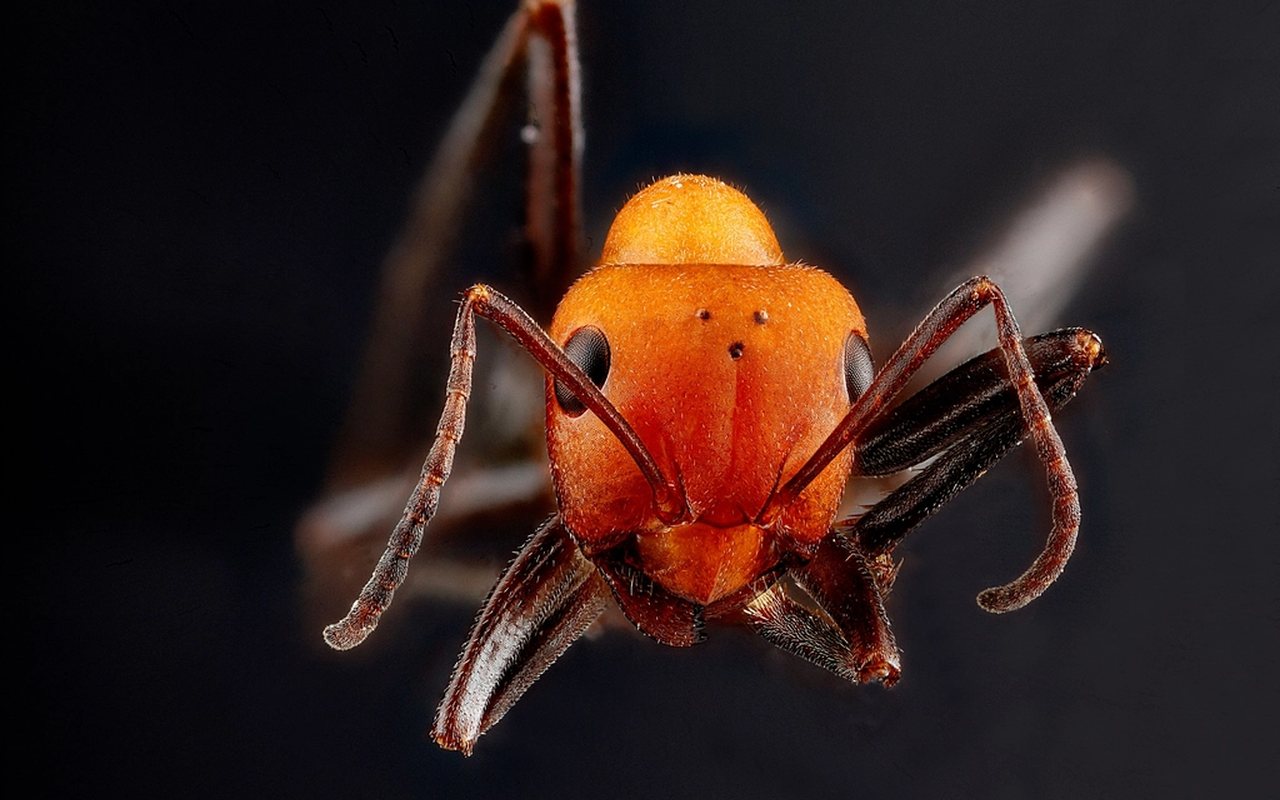
Ant Extermination in Marysville
Trails on the counter mean a colony somewhere in the wall, the crawl space or a stump in the yard. Sprays kill the scouts. Baiting kills the nest.
Read moreQuestions
Spiders in Marysville, answered
Are hobo spiders dangerous?
The evidence says no. The old association between hobo spiders and necrotic bites has not been reproduced, and the CDC removed the species from its venomous spider list. Treat it as a nuisance spider.
Are there black widows or brown recluses in Marysville?
Brown recluse spiders do not live in Washington. Black widows are rare west of the Cascades and effectively absent in Snohomish County. What you have is almost always a giant house spider or an orb weaver.
Why so many spiders in September?
Male giant house spiders mature in late summer and leave their webs to look for females. They are wandering, not invading, and the wave passes in roughly six weeks.
Does spider spray actually work?
Only as part of a program. Spiders often do not touch treated surfaces. Removing the webs and egg sacs, cutting the insect food supply and changing the exterior lighting do more than the product does.
Call now
Tell us what you are seeing, and where
Describe the pest, the room and how long it has been going on. You will get straight answers and an honest estimate before any work starts. No obligation.
Calls answered 7am to 9pm, seven days a week