Carpenter ants
Carpenter Ant Treatment in Marysville, WA
The defining structural pest of the wet side. Camponotus modoc does not eat your house, it moves in wherever the rain got there first.
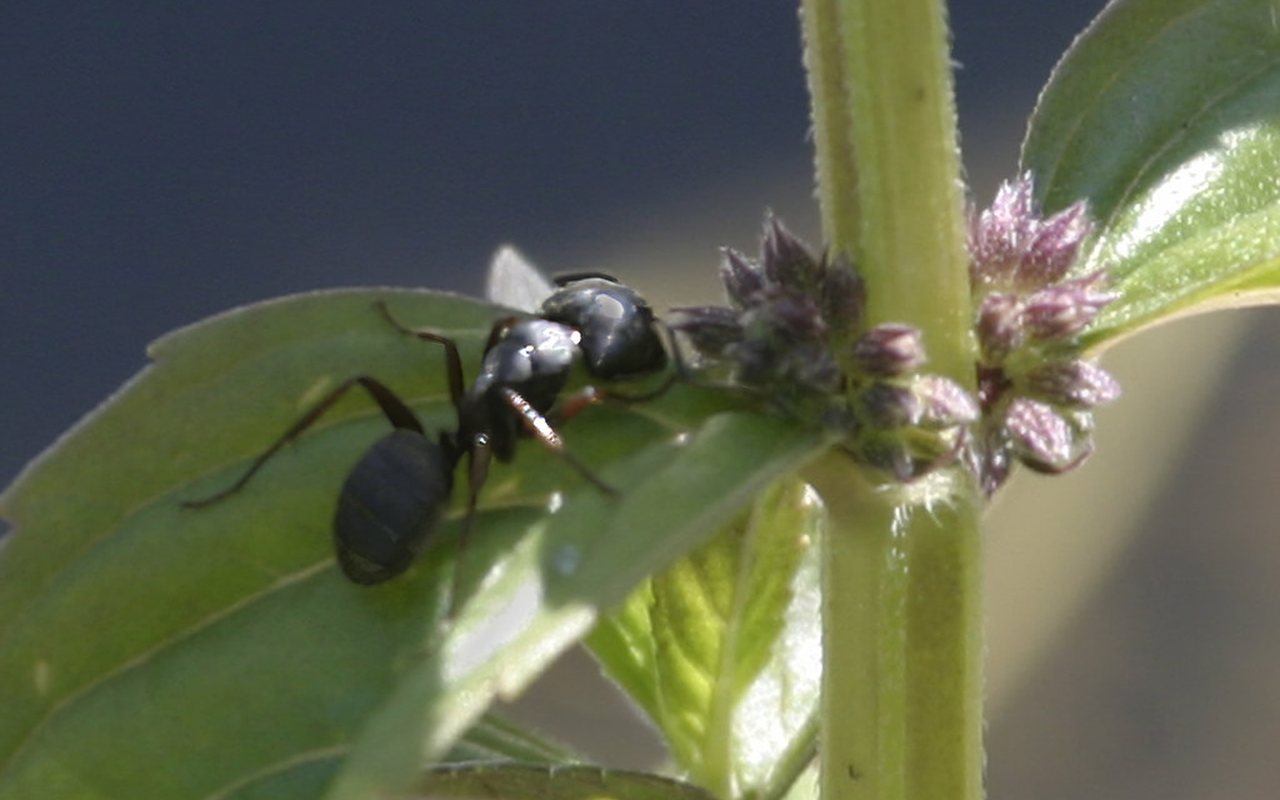
Carpenter ant treatment in Marysville is a moisture problem wearing an insect costume. Camponotus modoc, the western carpenter ant, is the single most damaging structural pest between the Cascades and Puget Sound, and it goes exactly where wet wood is.
Parent colonies and satellites, and why it matters
A carpenter ant population is not one nest. There is a parent colony, which holds the queen and the eggs and needs consistently damp wood, and there are satellite colonies, which hold older larvae, pupae and workers and can survive in dry wood inside a wall. Kill the satellite in your bathroom and the parent colony out in the alder stump simply re-supplies it.
In Marysville the parent colony is very often outdoors and very often within seventy-five feet of the house. Stumps left in the ground when a lot in Sunnyside or Getchell was cleared. Alder and big-leaf maple with heart rot along Allen Creek. A rotting timber edging, an old fence post, a woodpile that has sat on bare soil through three winters. The satellites are indoors: a wet rim joist over a crawl space, a window header under failing flashing, the sill plate behind a leaking hose bib, the framing above a shower.
Treatment that works finds both. That means following trails at dusk, when carpenter ants forage, rather than at ten in the morning when the house looks clean.
The signs, in order of how bad they are
That last point separates carpenter ants from subterranean termites at a glance. Carpenter ant galleries are clean and smooth, because the ants carry the shavings out. Termite galleries are packed with soil and fecal mud. If you are staring at damaged framing and cannot tell, our guide on telling carpenter ants and termites apart in western Washington walks through it.
- Coarse frass under a vent, sill or deck ledger, looking like pencil shavings with insect parts in it
- A faint rustling or dry crackling sound inside a wall at night, which is workers excavating
- Large black or black-and-red ants foraging indoors after dark, especially in the kitchen and bathroom
- Winged swarmers indoors in late winter or early spring, which means a colony is already inside the structure
- Galleries exposed when a trim board or a piece of siding comes off, sanded smooth rather than mud-packed
How a local exterminator treats carpenter ants here
The inspection is the work. A moisture meter across the rim joist and the sill plate, a light in the crawl space, a look at the roofline where the moss holds water against the fascia, and a walk of the property line for stumps and hedgerows. Marysville homes built in the sixties and seventies sit on crawl spaces with vapor barriers that have been torn by every plumber and cable installer since, and the ground under a crawl space here is rarely dry.
Then a non-repellent dust or foam goes directly into the galleries through small drilled ports, because carpenter ants groom each other and carry it through the nest. Baits go on the active trails. The exterior perimeter is treated at the foundation, the vents, the utility penetrations and the deck ledger. Where the parent colony is outdoors and findable, it is treated at the source.
And then the part that keeps them gone: the wood dries out or gets replaced. Clear the gutter, extend the downspout, fix the flashing, pull the mulch back six inches from the siding, cut the limb that touches the roof, get the firewood off the dirt. Every carpenter ant job that comes back came back because that list did not get done.
What carpenter ant damage costs if you wait
Carpenter ants work slowly compared with termites, which is the reason so many Marysville homeowners live with them for years. A mature colony of two or three thousand workers, though, will hollow a rim joist over several seasons, and the wood it chooses is structural by definition, because structural wood is where the moisture collects.
Homeowners tend to find it during a sale, when an inspector puts a screwdriver through the sill plate. At that point the pest problem is a construction problem. Calling when you see frass costs a treatment. Calling when the inspector finds the gallery costs a contractor.
Read more on carpenter ants versus termites in western Washington, or call 360-233-2008 and describe what you are seeing.
carpenter ants versus termites in western Washington · All pest control services in Marysville
Related
People who called about this also called about
Ant Extermination in Marysville
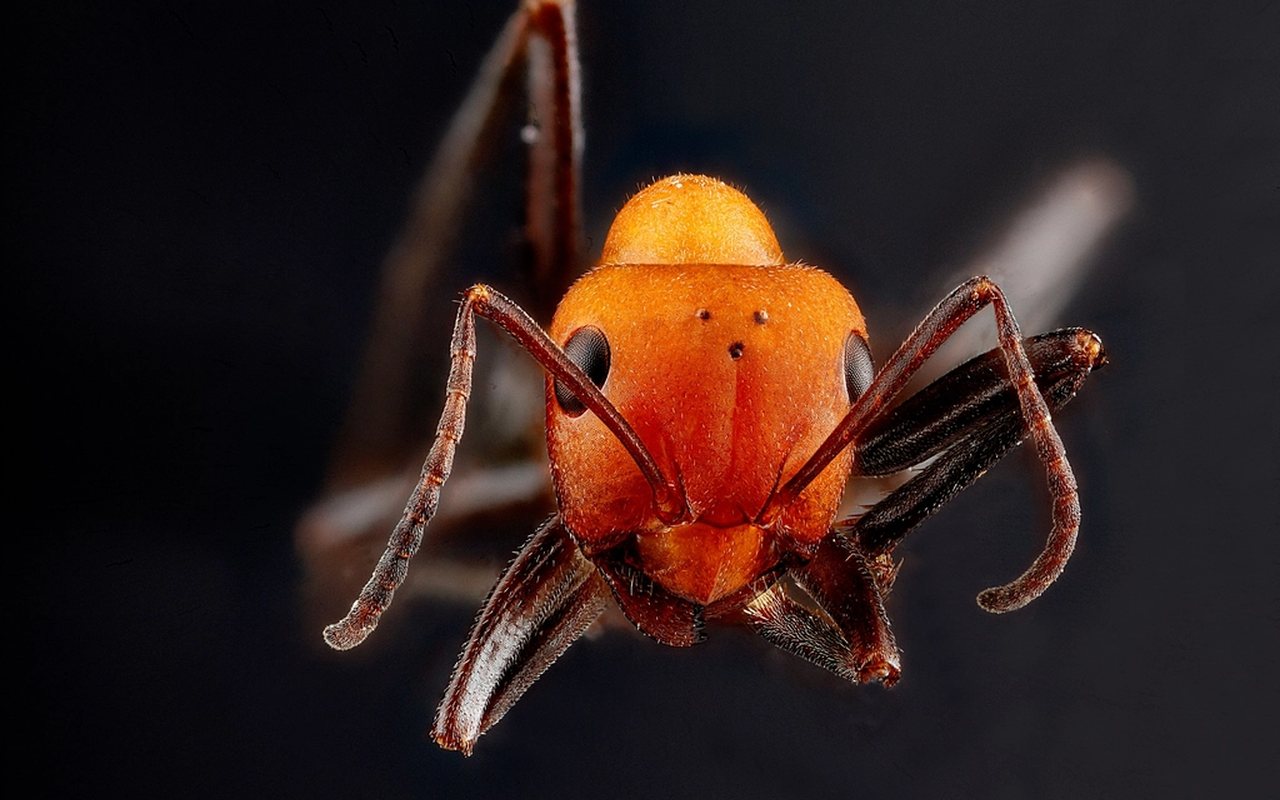
Trails on the counter mean a colony somewhere in the wall, the crawl space or a stump in the yard. Sprays kill the scouts. Baiting kills the nest.
Read more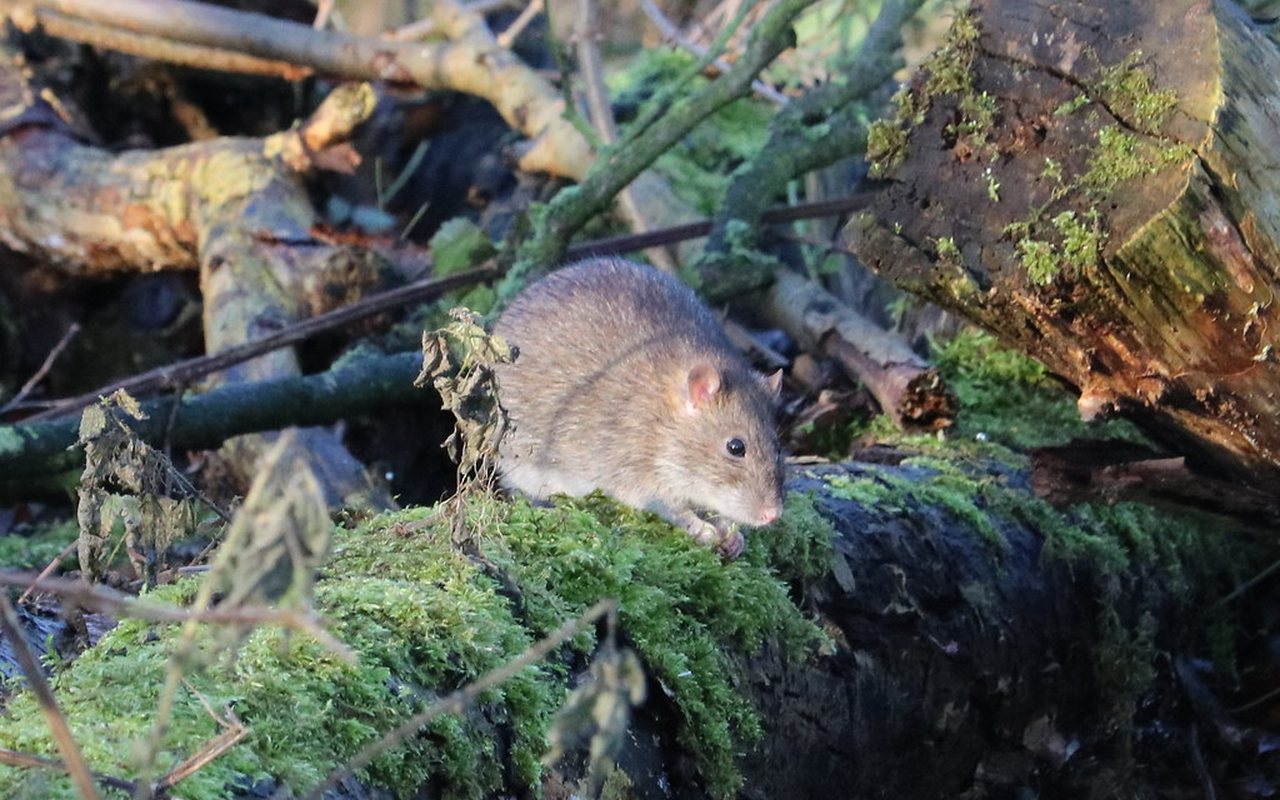
Rodent Control in Marysville
Trapping without exclusion is a treadmill. The job is finding the hole, and in a Marysville crawl space there is always more than one.
Read moreQuestions
Carpenter Ants in Marysville, answered
Do carpenter ants eat wood?
No. They excavate galleries in wood to nest, and they push the shavings out. That frass under a sill or vent is the giveaway. Their food is other insects, honeydew and whatever is on your counter.
Are there termites in Marysville, or is it always carpenter ants?
Both exist. Pacific dampwood termites and western subterranean termites are present in western Washington, but carpenter ants are far more common in Snohomish County homes. Mud-packed galleries mean termites, clean smooth galleries mean carpenter ants.
Can I treat carpenter ants myself?
You can kill foragers. Reaching the parent colony is the hard part, and repellent sprays from a big-box store tend to drive satellites deeper into the wall. If frass is appearing, get an experienced local exterminator to find the nest.
Why do I see winged carpenter ants inside in February?
Because the colony is inside the heated structure and the warmth triggered a swarm months before the outdoor colonies fly. Indoor swarmers in late winter are the strongest single indicator of an established interior nest.
Call now
Tell us what you are seeing, and where
Describe the pest, the room and how long it has been going on. You will get straight answers and an honest estimate before any work starts. No obligation.
Calls answered 7am to 9pm, seven days a week