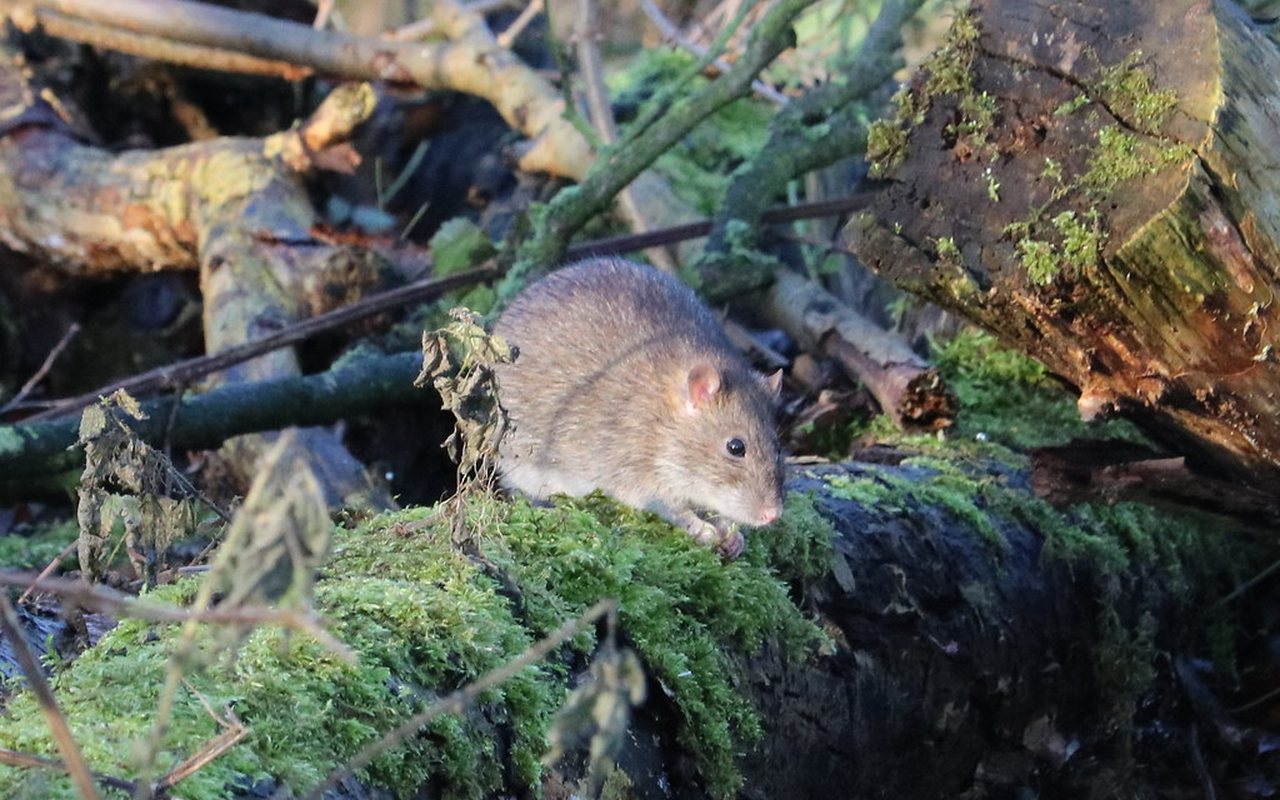
Rats and mice
Rodent Control in Marysville, WA
Trapping without exclusion is a treadmill. The job is finding the hole, and in a Marysville crawl space there is always more than one.
Rodent control in Marysville is a sealing job first and a trapping job second. Norway rats, roof rats and deer mice all live here, and every one of them gets in through a gap a homeowner has walked past a hundred times.
Which rodent you have, and where it lives
Norway rats are heavy, brown, blunt-nosed, and they burrow. In Marysville they work the ground: the blackberry hedgerows along the sloughs, the banks of Allen Creek, compost bins, the space under a shed, the gap where a sewer line enters an older downtown foundation near Comeford Park. They get into crawl spaces, not usually attics.
Roof rats are lighter, longer-tailed and superb climbers. They come in overhead: a cedar branch touching the roof, an ivy-covered wall, a utility line, then in through a gable vent, a rotted fascia board or the gap where the roof meets an addition. Attic activity at night that sounds like something running rather than scratching is usually a roof rat.
Deer mice are the small ones with white bellies, common on the rural edges toward Getchell, Kellogg Marsh and the estuary. They matter beyond the nuisance, because deer mice are the reservoir for hantavirus in the Pacific Northwest. Never dry-sweep or vacuum a mouse nest or droppings in a crawl space or shed. Wet the material down first, and let someone who has the right respirator handle a heavy contamination.
Why Marysville houses are so easy to get into
The housing stock explains most of it. A large share of Marysville homes were built between 1960 and 1995 on vented crawl spaces, with cedar siding, generous soffits and roofs that carry moss. Every one of those is a rodent feature. Crawl-space vent screens rust out. Rim joists shrink away from mudsills. Soffit and roof-to-wall intersections open up when the moss holds water against the fascia. Utility penetrations for cable, gas and hose bibs were foamed, and rats chew foam like it is not there.
Then there is the yard. Blackberry is the rodent nursery of the Puget lowlands. A hedgerow at the back fence, an ivy wall, English laurel against the house, a woodpile on bare soil, bird feeders, fallen apples, a dog bowl left out overnight. Ten feet of clean, dry, open ground between the harborage and the foundation changes a property more than any bait station will.
A rat needs a hole the size of a quarter. A house mouse needs one the size of a dime. Neither of those is a hole most people notice.
Trapping, exclusion and cleanup, in that order
A local exterminator starts with a full exterior survey and a crawl-space and attic inspection, mapping droppings, rub marks, runways, gnaw damage and nesting material to work out how many animals there are and where they travel. Snap traps and multi-catch stations go on the runways. Rodenticide is used carefully or not at all in and around a living space, because a rat that dies in a wall void is a smell problem for a month and a secondary poisoning risk to the barn owls, coyotes and neighborhood cats that do the free version of this job.
Exclusion is the part that ends it. Hardware cloth over crawl-space vents. Sheet metal and mortar at foundation penetrations. Chimney caps and gable vent screens. Door sweeps on the garage. Copper mesh and sealant at every pipe. Trimming limbs back six feet from the roofline. Once the structure is sealed, the traps inside finish the animals that are already there and nothing replaces them.
Then cleanup: removing contaminated insulation, sanitizing the crawl space, replacing the vapor barrier. It is the least glamorous line on the estimate and the one that decides whether the attic still smells in September.
- Exterior survey, crawl space and attic inspection, entry-point mapping
- Trapping on established runways, with rodenticide used sparingly and away from living space
- Permanent exclusion in hardware cloth, sheet metal, copper mesh and mortar
- Harborage correction: blackberry, ivy, woodpiles, bird feed, overhanging limbs
- Contaminated insulation removal, sanitizing and vapor barrier replacement where needed
The fall push
Rodent calls in Snohomish County spike from late September through November. The first sustained cold rain moves everything that has spent the summer in the blackberry toward the warm, dry structure at the top of the yard, and the structure is your house. Homeowners who seal in August rarely make the call in October.
If you are hearing running in the attic after dark, finding droppings the size of a grain of rice along the back of a cabinet, or smelling ammonia in the crawl space, the population is already established. Our guide to fall rodent prevention in Snohomish County covers what to do before the rain starts.
Read more on fall rodent prevention in Snohomish County, or call 360-233-2008 and describe what you are seeing.
fall rodent prevention in Snohomish County · All pest control services in Marysville
Related
People who called about this also called about
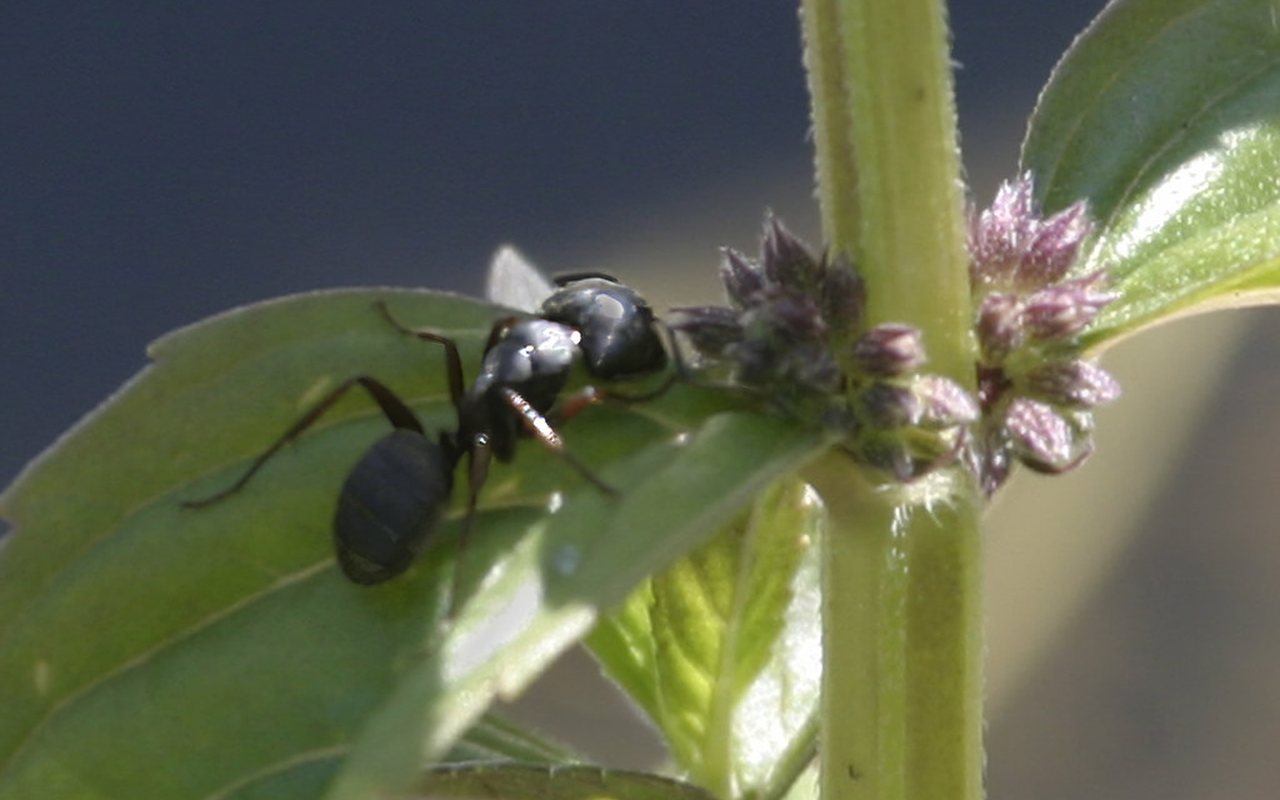
Carpenter Ants in Marysville
The defining structural pest of the wet side. Camponotus modoc does not eat your house, it moves in wherever the rain got there first.
Read more
Commercial in Marysville
A health inspector does not care that you called. They care whether you have documentation, monitors and a corrected finding.
Read moreQuestions
Rodent Control in Marysville, answered
Do I have rats or mice?
Droppings. Mouse droppings are the size of a grain of rice with pointed ends. Rat droppings are the size of a raisin or larger. Rats also leave greasy rub marks along the runways they use every night.
How long does rodent control take?
Trapping out an established population usually takes two to four weeks of servicing. Exclusion work happens alongside it. Rushing the sealing before the animals inside are removed traps them in the structure.
Is rodent bait safe with pets and wildlife around?
It can be a real risk. Secondary poisoning of owls, hawks, coyotes and pets is well documented. A careful exterminator favors trapping and exclusion, and where bait is used at all it goes in tamper-resistant stations away from the living space.
Why do rats keep coming back to my yard?
Harborage and food. Blackberry, ivy, laurel, woodpiles on bare dirt, compost, fallen fruit, bird feeders and pet bowls. Clearing ten feet of open ground around the foundation does more than any single treatment.
Call now
Tell us what you are seeing, and where
Describe the pest, the room and how long it has been going on. You will get straight answers and an honest estimate before any work starts. No obligation.
Calls answered 7am to 9pm, seven days a week