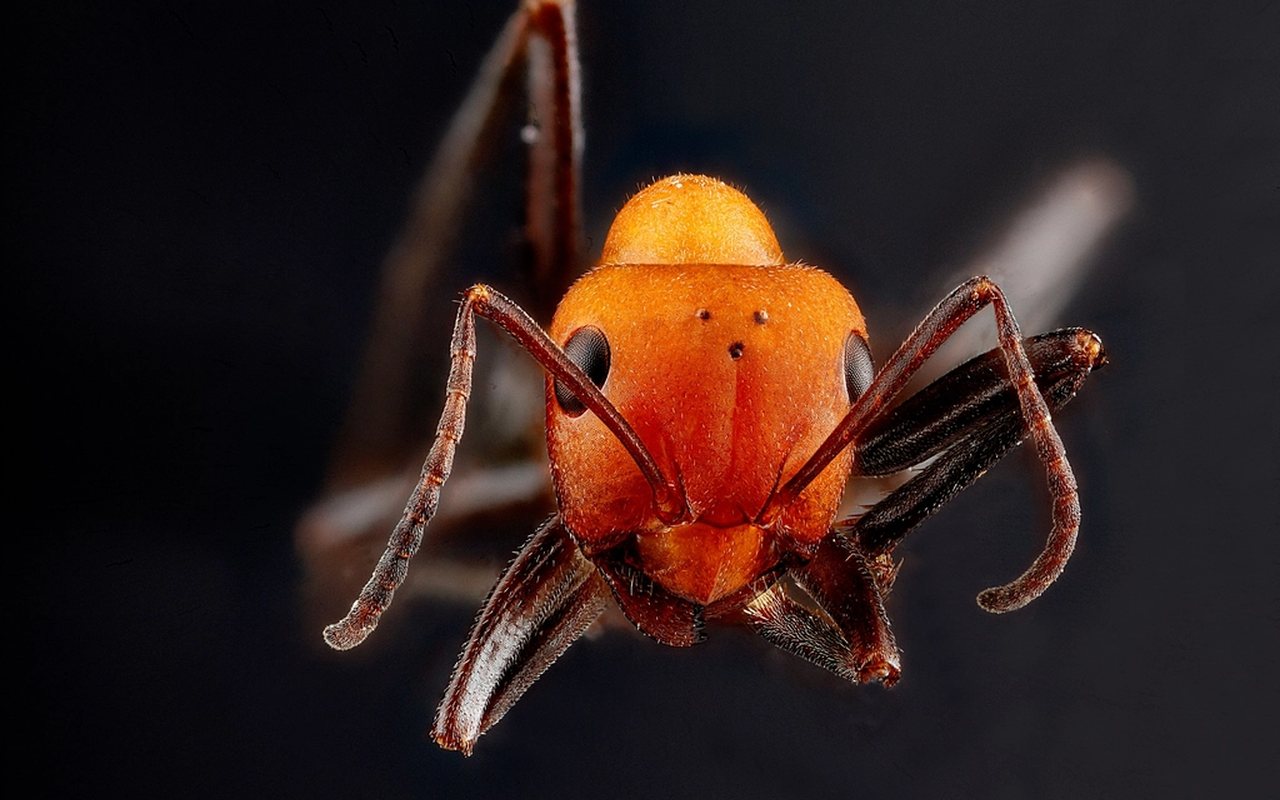
Ants
Ant Extermination in Marysville, WA
Trails on the counter mean a colony somewhere in the wall, the crawl space or a stump in the yard. Sprays kill the scouts. Baiting kills the nest.
Ant extermination in Marysville starts with a question almost nobody asks: which ant. Western Washington runs three household species that look similar on a countertop and behave nothing alike underground. Treat the wrong one and the trail comes back in ten days.
The three ants that get inside Marysville homes
The western carpenter ant is the big one, up to half an inch, black or black-and-red, and the only one that hollows out framing. It does not eat wood. It excavates galleries in wood that has already been softened by moisture, which in a town that takes roughly forty inches of rain a year describes a lot of framing. Look for coarse sawdust that looks like pencil shavings, with insect parts mixed in, piled under a crawl-space vent, a deck ledger or a window sill.
Moisture ants are smaller and yellow-brown, and they smell faintly of lemon when crushed. They are a symptom, not a cause. Where you find them you find wet wood: a leaking hose bib, a plugged downspout, a crawl space with a torn vapor barrier, a shower pan that has been weeping into the subfloor for a year. Killing them without drying the wood buys you one season.
Odorous house ants are the tiny brown ones marching along the caulk line behind the sink. Step on one and it smells like a rotten coconut. They nest in dozens of small satellite colonies, which is exactly why the spray under the sink makes the problem worse. Repellent chemicals split the colony and you go from one trail to four.
Why sprays fail and baiting works
A can of ant spray from the hardware store on State Avenue kills the ants you can see. Those are foragers, and they are about five percent of the colony. The queen, the brood and the other ninety-five percent never come near the counter. Worse, most consumer sprays are repellent. Ants sense them, route around them, and in the case of odorous house ants respond by budding new colonies.
A local exterminator works the other direction. Non-repellent products and slow-acting gel baits get carried back down the trail and shared through the colony by trophallaxis, which is how ants feed each other. The trail may look busier for two or three days. That is the bait moving. Then the whole thing goes quiet, because the queen has been fed.
The second half of the job is exterior. Marysville yards put ant colonies within a few feet of the foundation without anyone noticing: alder and cedar stumps left in the ground after clearing, bark mulch piled against the siding, a blackberry hedgerow at the fence line, firewood stacked on bare dirt beside the garage. A treated perimeter without those corrections is a treated perimeter that gets re-colonized in a month.
What ant treatment looks like on a Marysville property
An experienced local exterminator will walk the outside first, because the answer usually lives there. Sprinkler overspray on the siding, a gutter that has not been cleared since the fall needle drop, moss holding water against the fascia, a tree limb touching the roof: each one is an entry route and a moisture source. Inside, the inspection follows the trail backward from the food to the wall void, then into the crawl space where the sill plate and the rim joist tell the real story.
From there the treatment is layered. Bait stations go where the ants already travel, not where it is convenient. A non-repellent barrier goes on the foundation and the entry points. Wall voids get dusted where a colony has set up inside the structure. If the ants are carpenter ants, the wood that let them in gets identified so the homeowner can fix it, because pest control that does not address moisture is a subscription rather than a solution.
- Interior and exterior inspection, including the crawl space where access allows
- Species identification before any product is chosen
- Non-repellent perimeter treatment and targeted gel baiting on active trails
- Wall void and void-space dusting where a colony sits inside the structure
- A written list of the moisture and harborage corrections that keep them out
Ant season in Snohomish County
Ants here are on a wet-side clock. Carpenter ant swarmers appear inside heated homes as early as February, months before anything is flying outdoors, which is a reliable sign that a parent colony is already in the structure rather than in a stump out back. Foraging picks up in April and runs hard through August. September and October push everything toward the warm, dry side of the wall as the rain returns.
A trail you ignore in May is a satellite colony in the bathroom wall by August. Treating early, while the colony is still small and still feeding heavily, costs less and works faster. If you are watching a line of large black ants come out from under the baseboard in spring, that is not a nuisance to wait out.
Read more on carpenter ants and termites, told apart, or call 360-233-2008 and describe what you are seeing.
carpenter ants and termites, told apart · All pest control services in Marysville
Related
People who called about this also called about
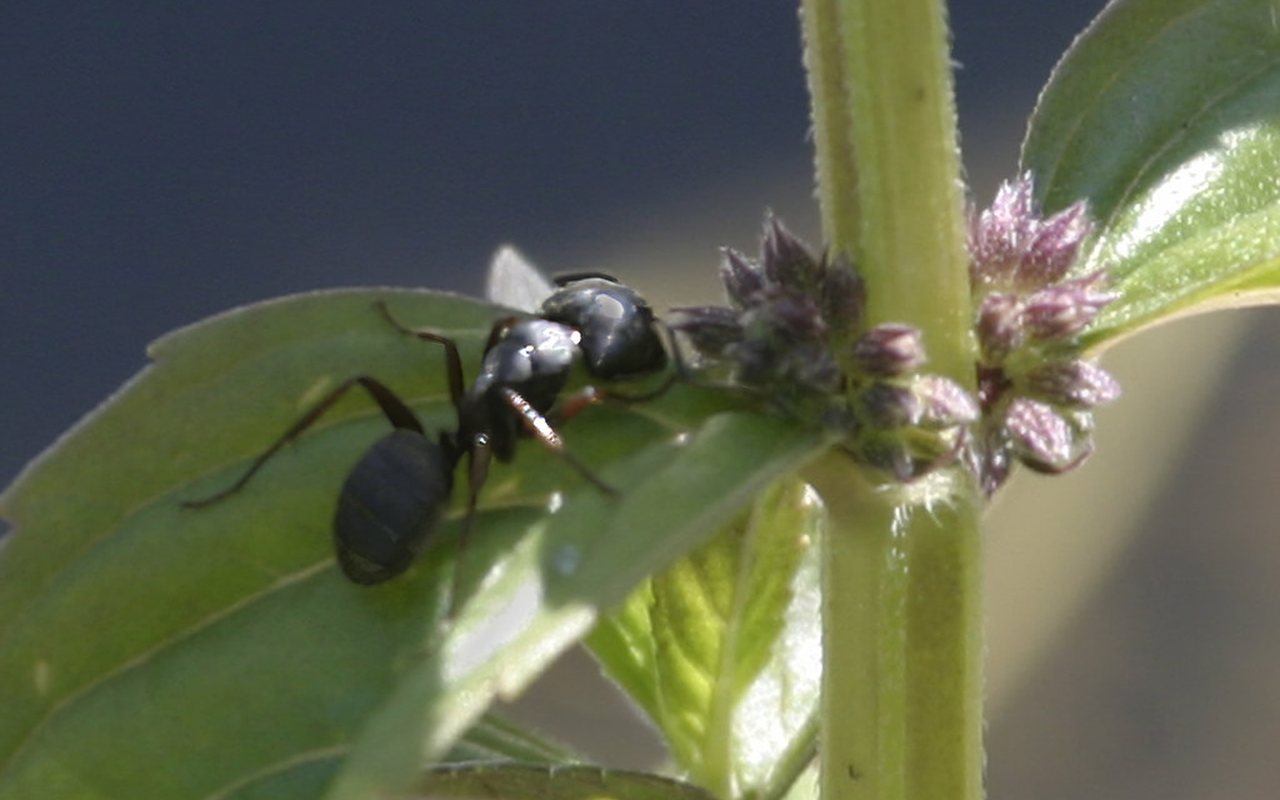
Carpenter Ants in Marysville
The defining structural pest of the wet side. Camponotus modoc does not eat your house, it moves in wherever the rain got there first.
Read more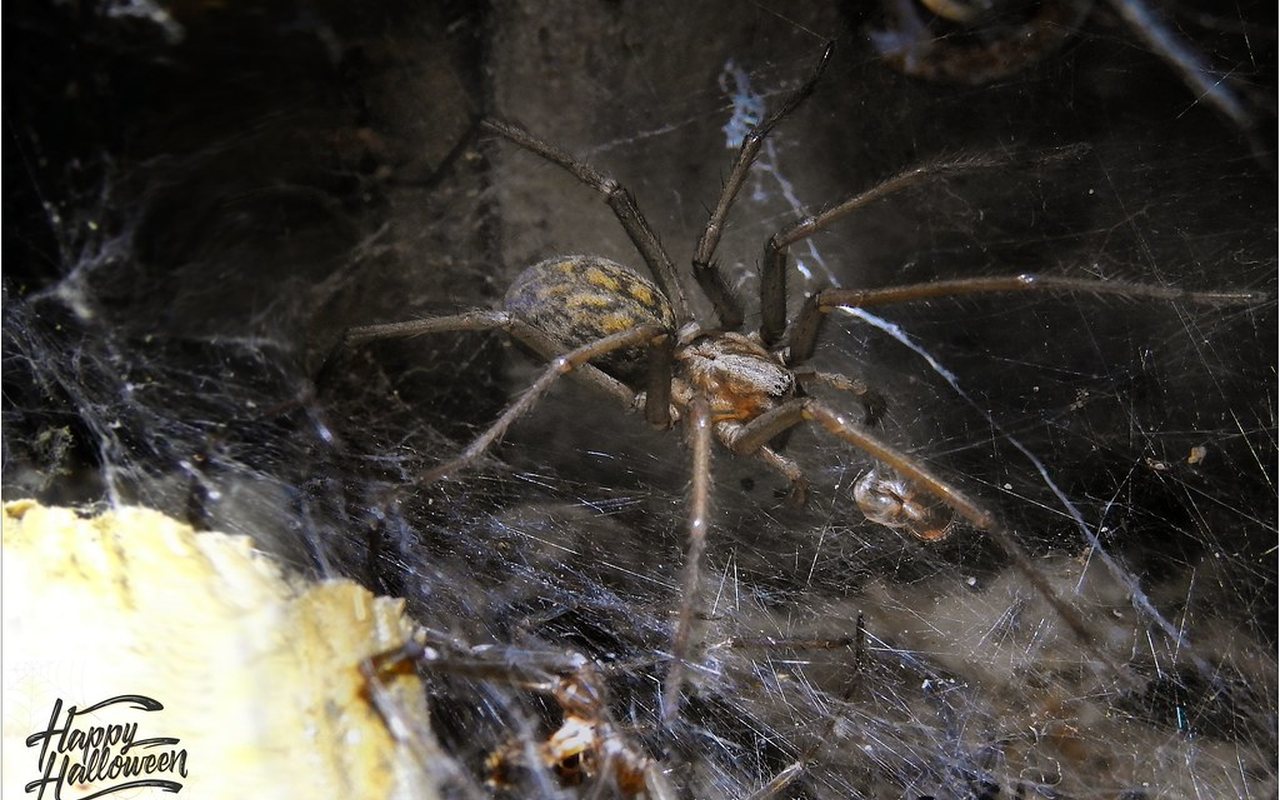
Spiders in Marysville
Kill the spiders and you still have spiders, because you still have the insects they eat. Spider control is really insect control plus web removal.
Read moreQuestions
Ant Extermination in Marysville, answered
How do I know if I have carpenter ants or just regular ants?
Size and sawdust. Western carpenter ants run a quarter to half an inch and leave coarse shavings mixed with insect parts. If the ants are tiny and smell like rotten coconut when crushed, they are odorous house ants and the wood is fine.
How long does ant treatment take to work?
Baited colonies usually go quiet inside seven to fourteen days. Activity often increases for the first two or three days while the bait is carried back to the nest, which is the treatment working rather than failing.
Do I need to leave the house during ant treatment?
Usually not. Most interior work is baiting and void treatment rather than broadcast spraying. Ask the exterminator who comes out what the re-entry interval is for the specific product being used.
Why do the ants keep coming back every spring?
Because the conditions did not change. A stump within twenty feet of the foundation, bark mulch against the siding, a plugged downspout or a soft rim joist will re-seed a colony every year no matter how well the last one was treated.
Call now
Tell us what you are seeing, and where
Describe the pest, the room and how long it has been going on. You will get straight answers and an honest estimate before any work starts. No obligation.
Calls answered 7am to 9pm, seven days a week