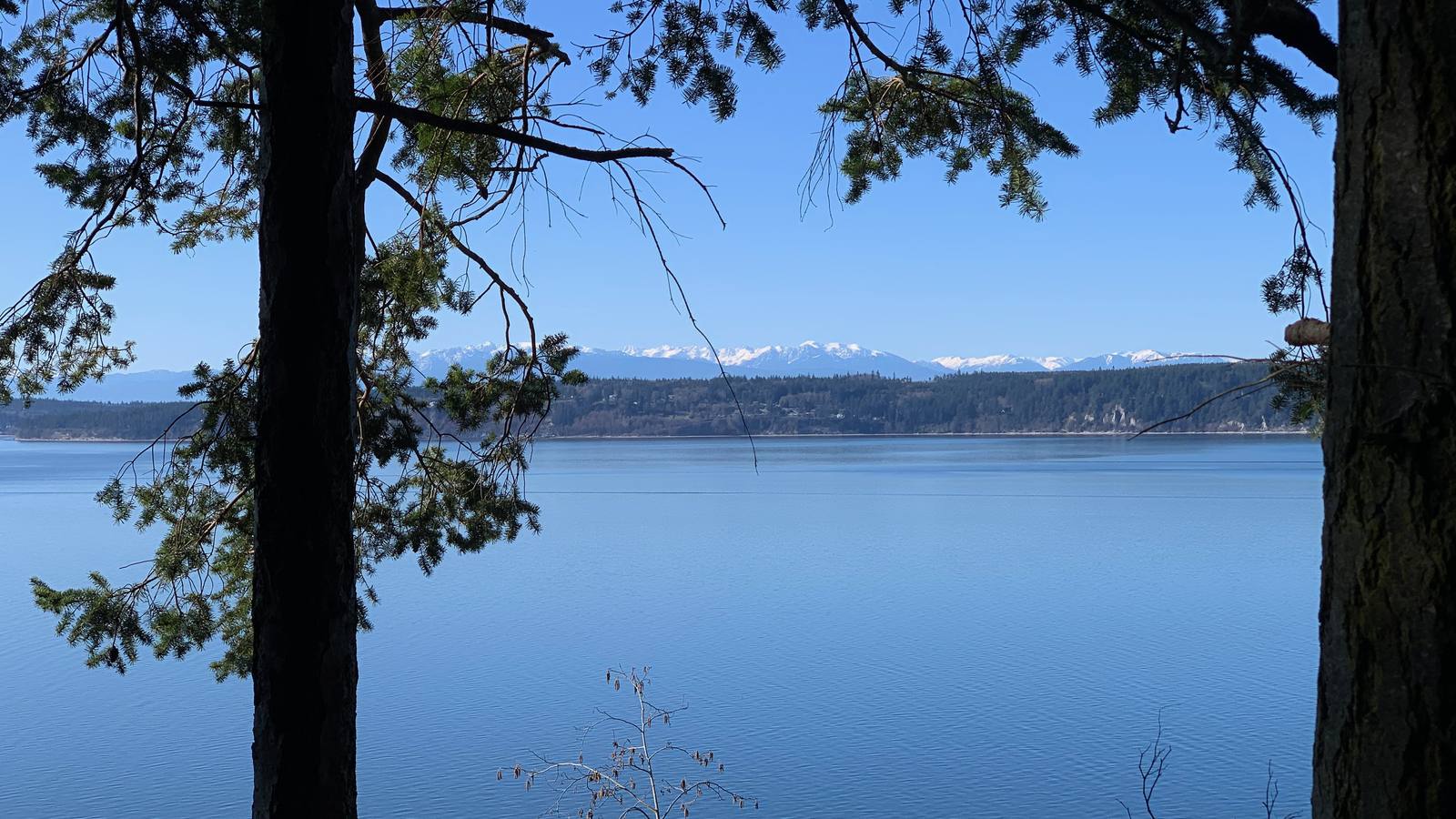
Tulalip, Washington
Pest Control in Tulalip, WA
Tulalip sits between the bay and the timber, and both edges feed pests toward the houses in the middle.
Pest control in Tulalip has to account for the water on one side and the second-growth forest on the other. Homes along Tulalip Bay and Mission Beach take salt air and constant damp, which means siding and framing stay wet longer than they do inland, and wet framing is where western carpenter ants set up. Homes back toward Quil Ceda Village and the ridge sit against a treeline that holds rodents, yellowjackets and orb weavers year round.
The rodent picture is the sharpest difference. Norway rats work the shoreline, the bulkheads, the crab pots, the outbuildings and the compost, and they push into crawl spaces the moment the fall rain starts. Roof rats come in high, off cedar limbs and utility lines. Deer mice come off the field edges. Any Tulalip crawl space with an original rusted vent screen is an open door, and the fix is hardware cloth, not a bait station.
Carpenter ants are the other constant. Alder and big-leaf maple with heart rot along the creek draws hold parent colonies, and the satellites move into rim joists and window headers on the houses within a hundred feet. If you are seeing coarse sawdust that looks like pencil shavings under a deck ledger or a crawl-space vent, that is frass, and it means an active gallery. Our carpenter ant treatment page explains how the parent and satellite colonies work.
Late summer brings the wasps. Western yellowjackets nest underground in lawn voles burrows and in the cavities under pavers, and by mid-August the colony is thousands strong and scavenging sugar. Bald-faced hornets hang the grey paper football under eaves and off cedar limbs. Neither is a ladder-and-a-can project, particularly near a busy front door.
Call and describe what you have seen and where. An experienced local exterminator can usually narrow the species over the phone and tell you whether it is a same-week problem or a same-day one.
The season here runs the way it runs everywhere on the wet side, only damper. Carpenter ant swarmers show up inside heated Tulalip homes in February and March, months before anything flies outdoors, and that is the clearest possible sign that a colony is already in the structure. Foraging climbs through April and May. Yellowjacket queens found their walnut-sized nests quietly in the same window, and nobody notices until August.
Then the first week of September brings the spiders, or rather brings the male giant house spiders out of their retreats to look for a mate. They sprint across the living room floor after dark, they are harmless, and the wave lasts about six weeks. Warm amber exterior bulbs and a schedule of knocking webs and egg sacs off the eaves does more about it than any product does.
From late September the rodents move indoors. On the bay side that means Norway rats out of the shoreline brush and the outbuildings. Up the ridge it means roof rats down the cedar branches. The permanent fix is the same in both cases: quarter-inch galvanized hardware cloth over every crawl-space vent, copper mesh and sealant at the pipe penetrations, a sweep on the garage door, and limbs cut back six feet from the roofline.
Do the sealing before the rain, not after. Trapping a structure that is still open is a treadmill, and sealing a structure with animals already inside puts a dead rat in a wall void for a month.
Common calls in Tulalip
These three come up most often here. Every service is available across the whole area, and if what you have is not on this list, describe it on the phone.
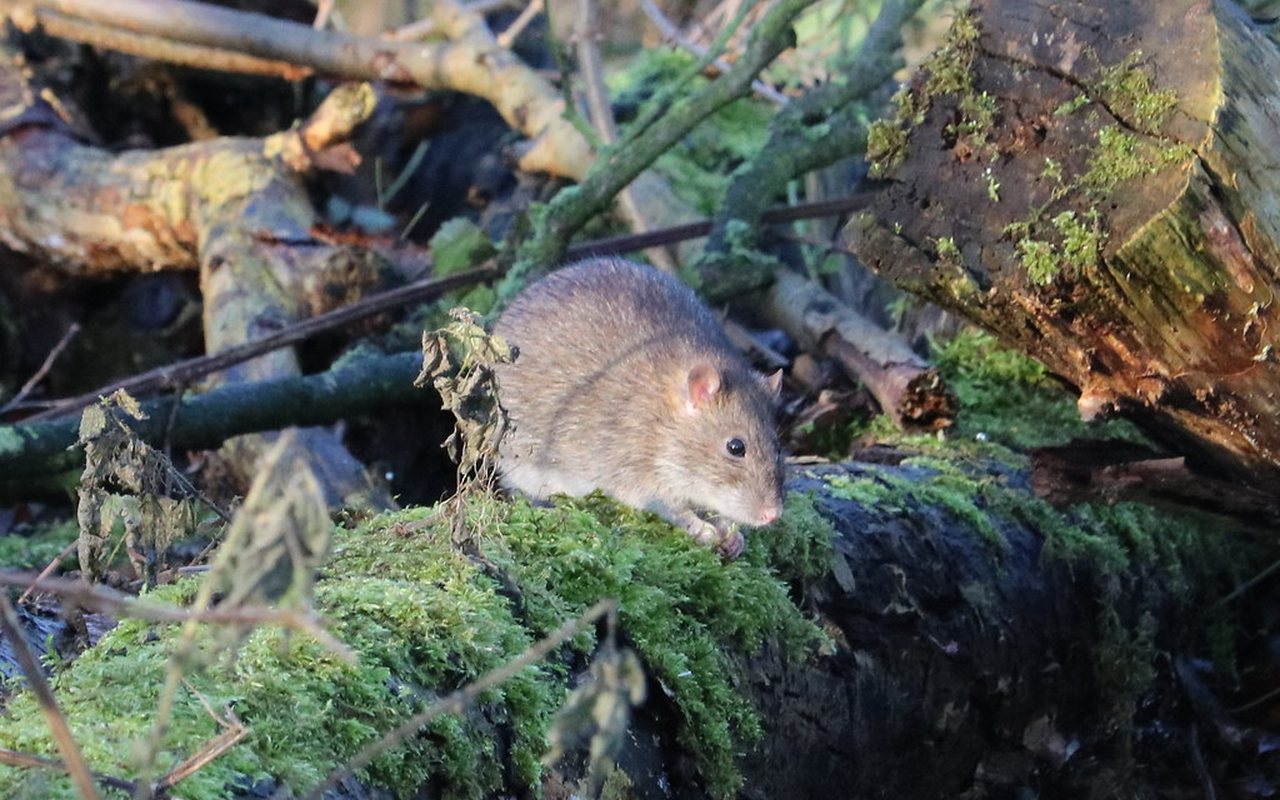
Rodent Control in Marysville
Trapping without exclusion is a treadmill. The job is finding the hole, and in a Marysville crawl space there is always more than one.
Read more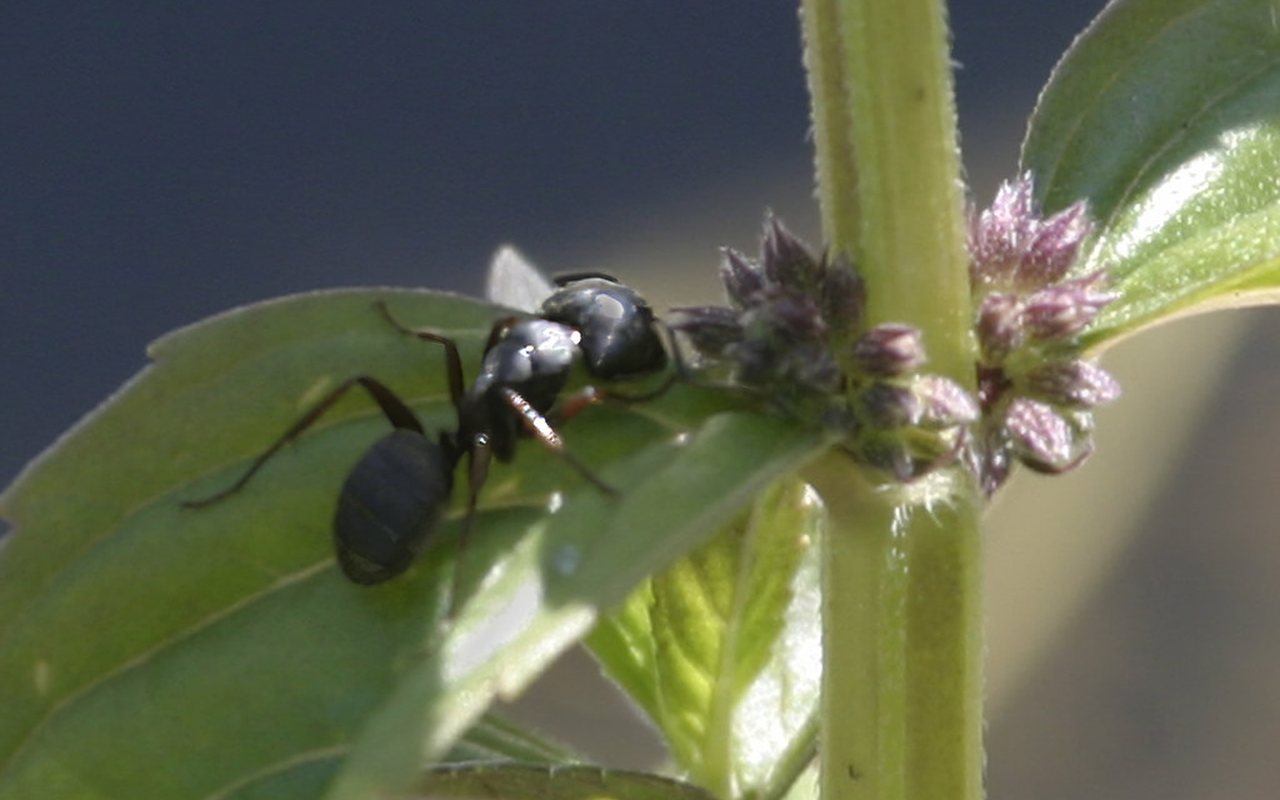
Carpenter Ants in Marysville
The defining structural pest of the wet side. Camponotus modoc does not eat your house, it moves in wherever the rain got there first.
Read more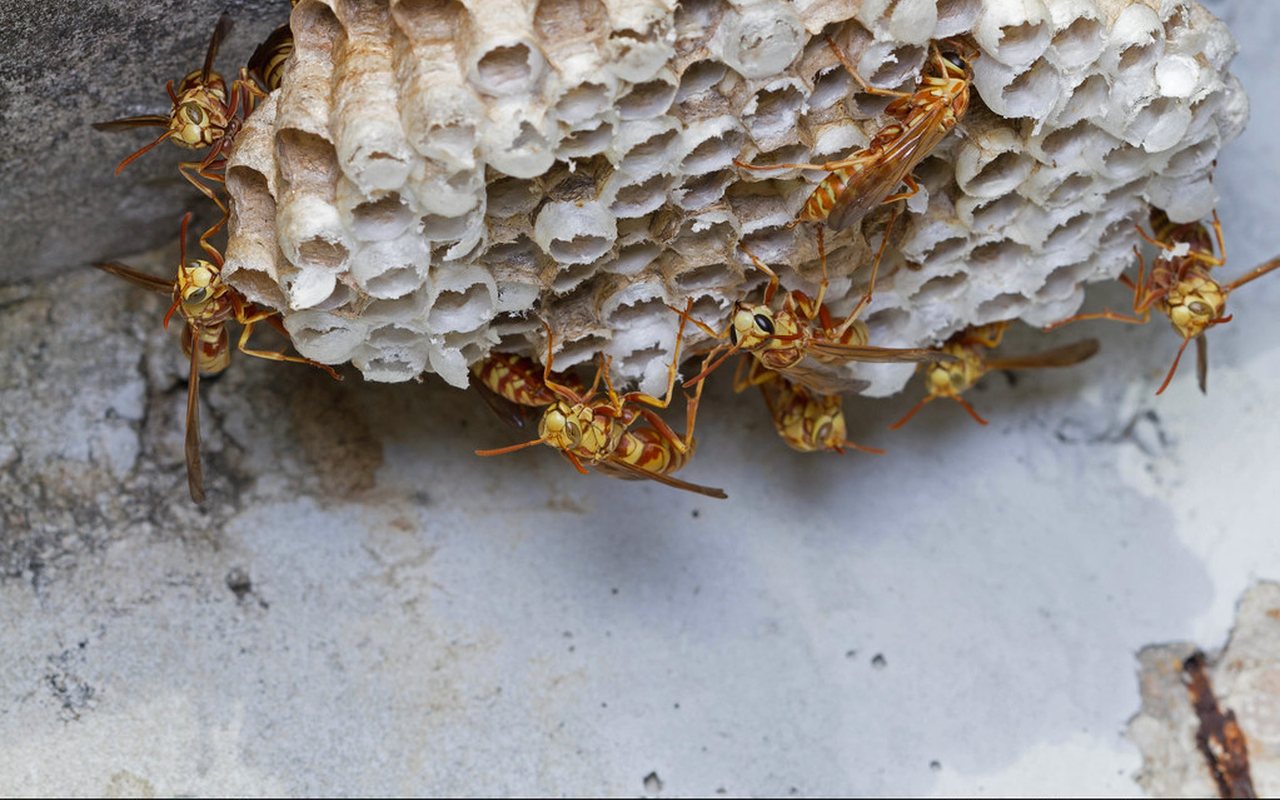
Wasps & Hornets in Marysville
August is the month. A ground nest of western yellowjackets under a lawn is the most common sting emergency in Snohomish County.
Read moreCall now
Pest problem in Tulalip?
Describe the pest, the room and how long it has been going on. You will get straight answers and an honest estimate before any work starts. No obligation.
Calls answered 7am to 9pm, seven days a week