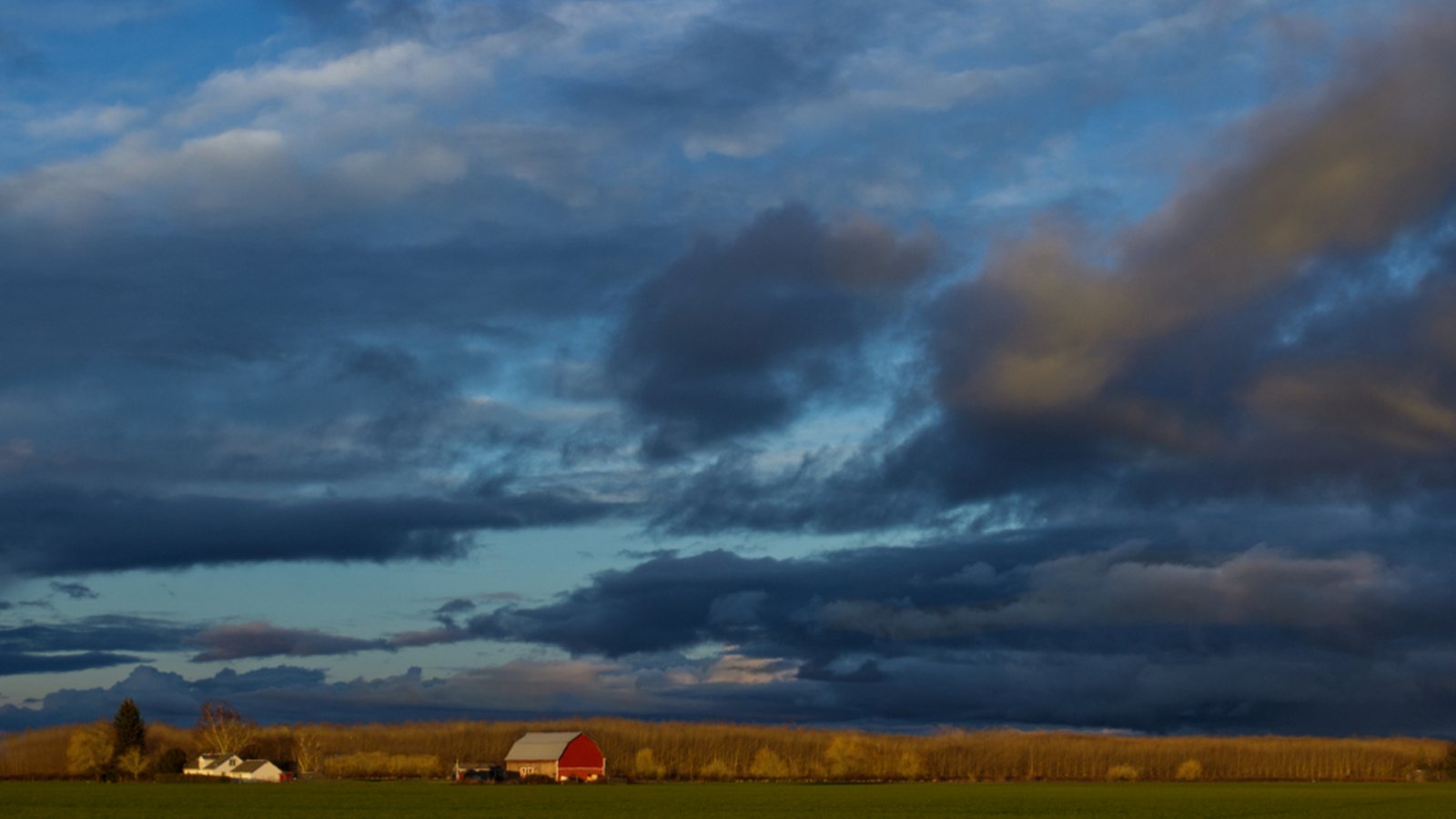
Arlington, Washington
Pest Control in Arlington, WA
Acreage, outbuildings and a river valley. Rodent pressure here is a fact of life, not an event.
Pest control in Arlington covers two very different housing stocks. The older farmhouses and outbuildings out along the Stillaguamish valley sit on field edges with barns, feed, woodpiles and dense brush, which is permanent rodent habitat. The newer subdivisions off the Smokey Point side were built on cleared ground, and the stumps left in that ground are carpenter ant parent colonies with a brand new house within striking distance.
On acreage, deer mice matter beyond the nuisance. They are the reservoir for hantavirus in the Pacific Northwest, and the exposure route is aerosolized dust from droppings and nesting material. Never dry-sweep or vacuum a mouse nest in a shed, a crawl space or a barn. Wet the material down first, and if the contamination is heavy, let an experienced local exterminator handle it with the right respirator.
Norway rats work the outbuildings, the compost, the feed bins and the blackberry. Roof rats come in overhead off cedar and fruit-tree limbs. The permanent answer on rural property is exclusion plus harborage removal: hardware cloth over vents, sheet metal at penetrations, door sweeps on the shop, feed in metal cans with locking lids, ten feet of clear open ground around the foundation, and limbs cut back six feet from the roofline.
Yellowjackets nest heavily in pasture edges and lawn burrows and peak in August. Carpenter ants show up as frass under a deck ledger or a shed sill. Spiders come with the fields and the outbuildings and the porch lights.
If you are on acreage and you have never had a proper rodent exclusion survey done, that is the call that changes things.
Carpenter ants here follow the same rule they follow everywhere on the wet side: they go where the water already went. Buried stumps, heart-rot in big-leaf maple, a soft rim joist over a damp crawl space, a leaking hose bib, a shed sill sitting in wet soil. The parent colony is often outdoors and within seventy-five feet of the structure, and the satellite is in a wall.
The seasonal pattern is the county pattern. Swarmers indoors in February and March. Ant trails in April and May. Yellowjacket colonies founded quietly in the spring, peaking in mid-August, aggressive and scavenging sugar right when the pasture work and the barbecues are happening. Spiders in the first week of September. Rodents from the last week of September through November.
On acreage, sealing has to include the outbuildings. A shop with a gap under the man door, a barn with feed in paper sacks, a hay loft, a chicken coop and a compost pile will hold a rodent population indefinitely, and it will re-seed the house every autumn no matter how well the house itself is sealed. Feed goes in metal cans with locking lids. Woodpiles come off bare soil and away from walls.
If you are on well water and have a spring box or a pump house, check the screens on those too. They are the entry point nobody inspects.
Common calls in Arlington
These three come up most often here. Every service is available across the whole area, and if what you have is not on this list, describe it on the phone.
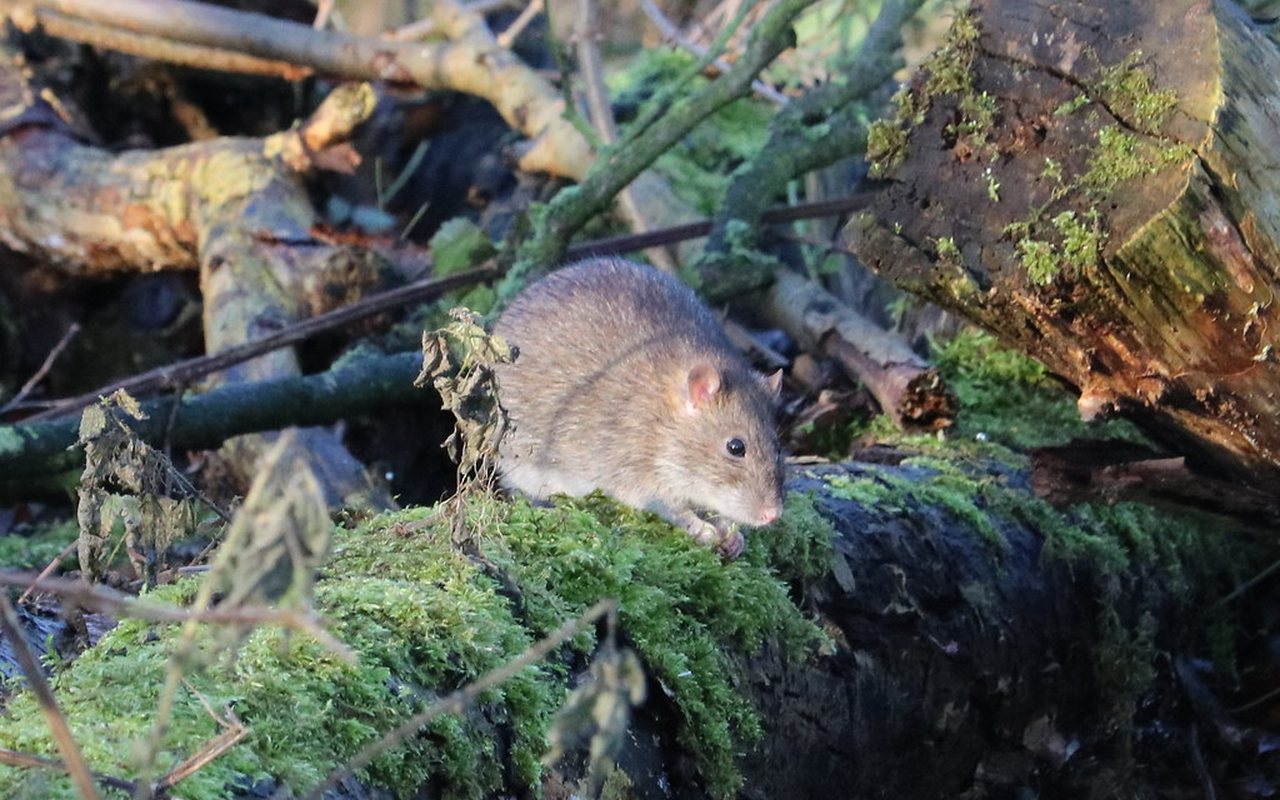
Rodent Control in Marysville
Trapping without exclusion is a treadmill. The job is finding the hole, and in a Marysville crawl space there is always more than one.
Read more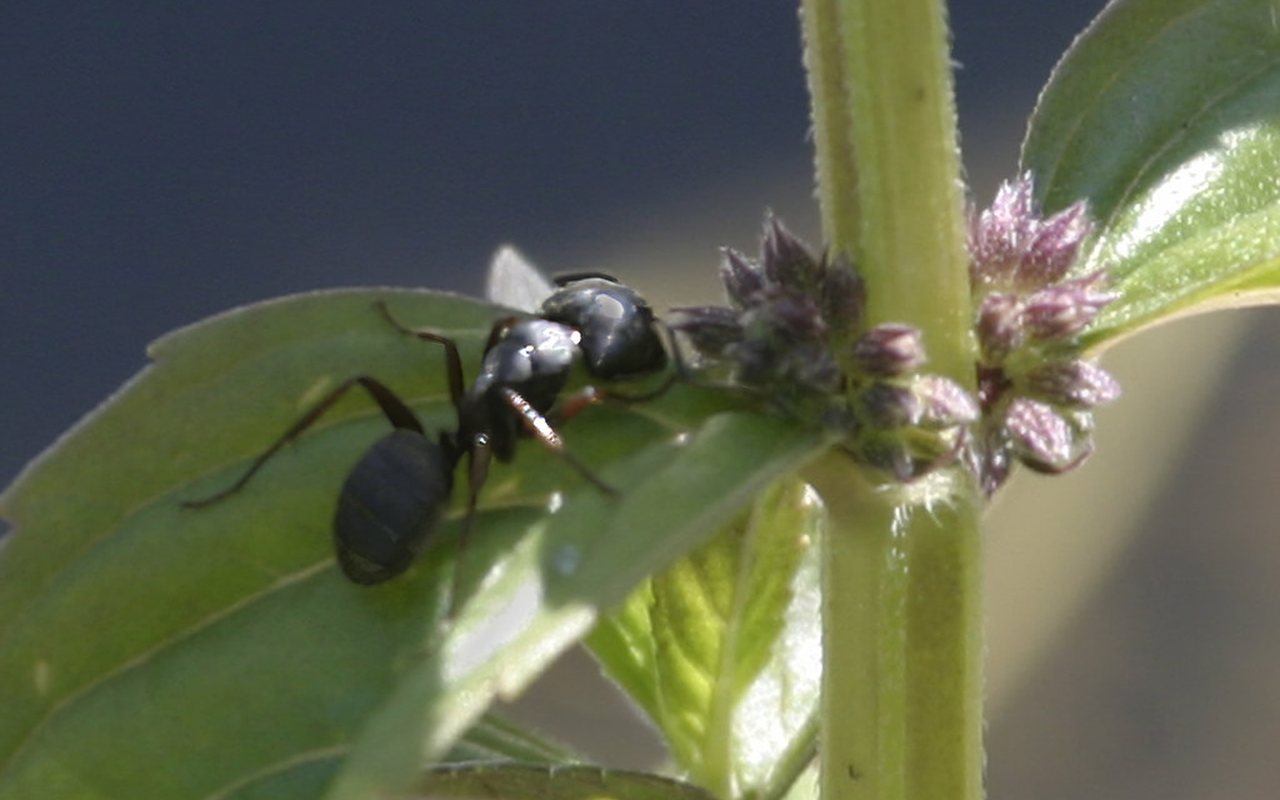
Carpenter Ants in Marysville
The defining structural pest of the wet side. Camponotus modoc does not eat your house, it moves in wherever the rain got there first.
Read more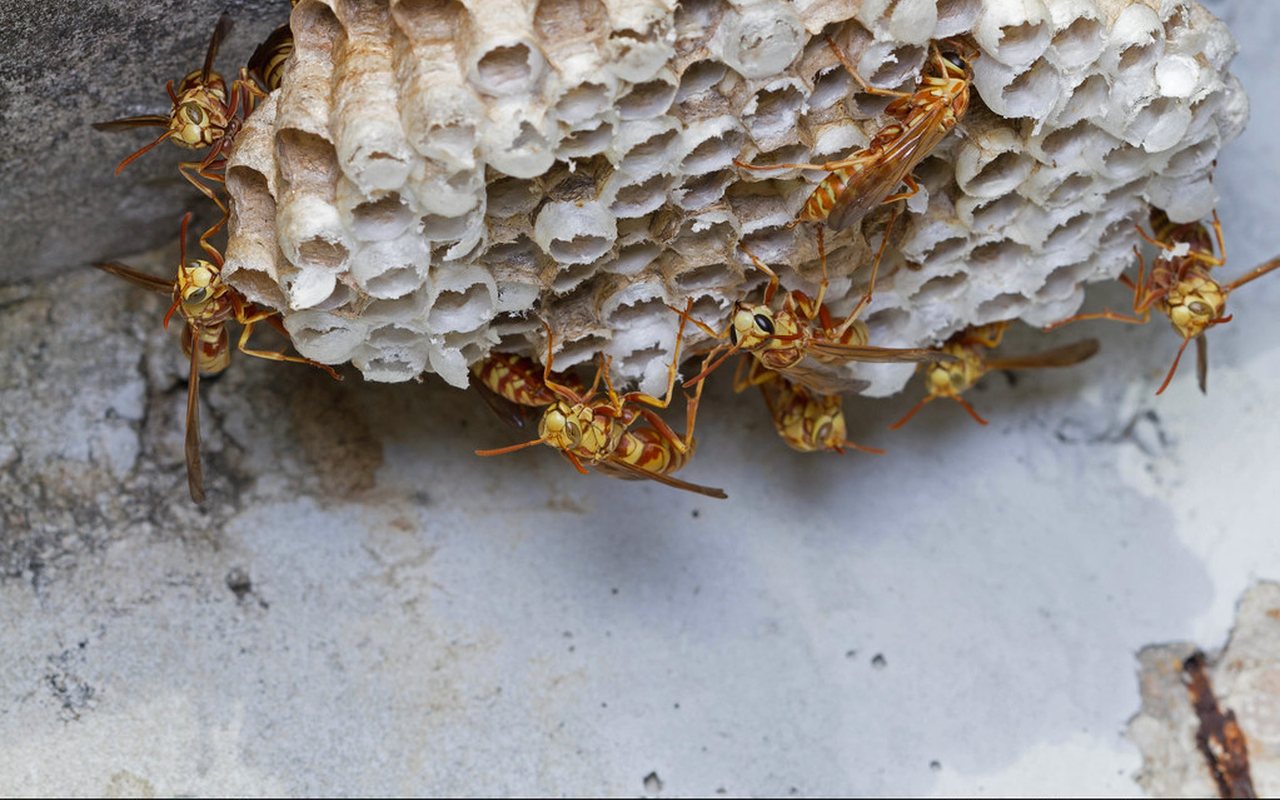
Wasps & Hornets in Marysville
August is the month. A ground nest of western yellowjackets under a lawn is the most common sting emergency in Snohomish County.
Read moreCall now
Pest problem in Arlington?
Describe the pest, the room and how long it has been going on. You will get straight answers and an honest estimate before any work starts. No obligation.
Calls answered 7am to 9pm, seven days a week