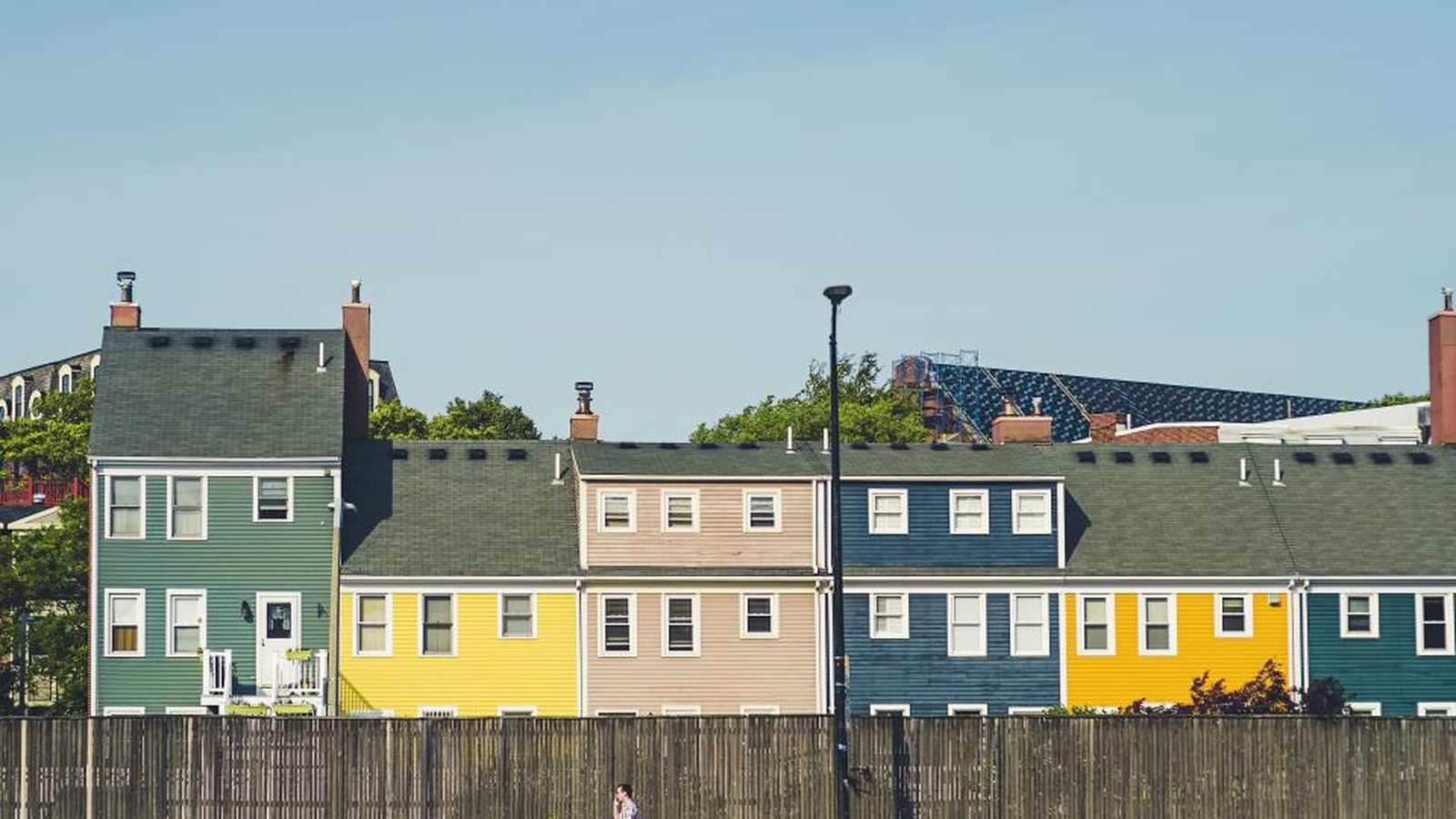
Pest Control in Marysville, WA
Ants in the kitchen, rats under the floor, a nest by the front door. Describe what you are seeing and get an experienced local exterminator on it.
7am - 9pm daily · No obligation
Why homeowners here call
Marysville gets the pests its weather earns
Forty inches of rain a year, vented crawl spaces, cedar siding and blackberry at the fence line. Every pest problem in this town traces back to one of those four.
Species first, product second
A carpenter ant, a moisture ant and an odorous house ant look alike on a counter and need three different treatments. Naming the insect is the whole job.
Sealing, not just spraying
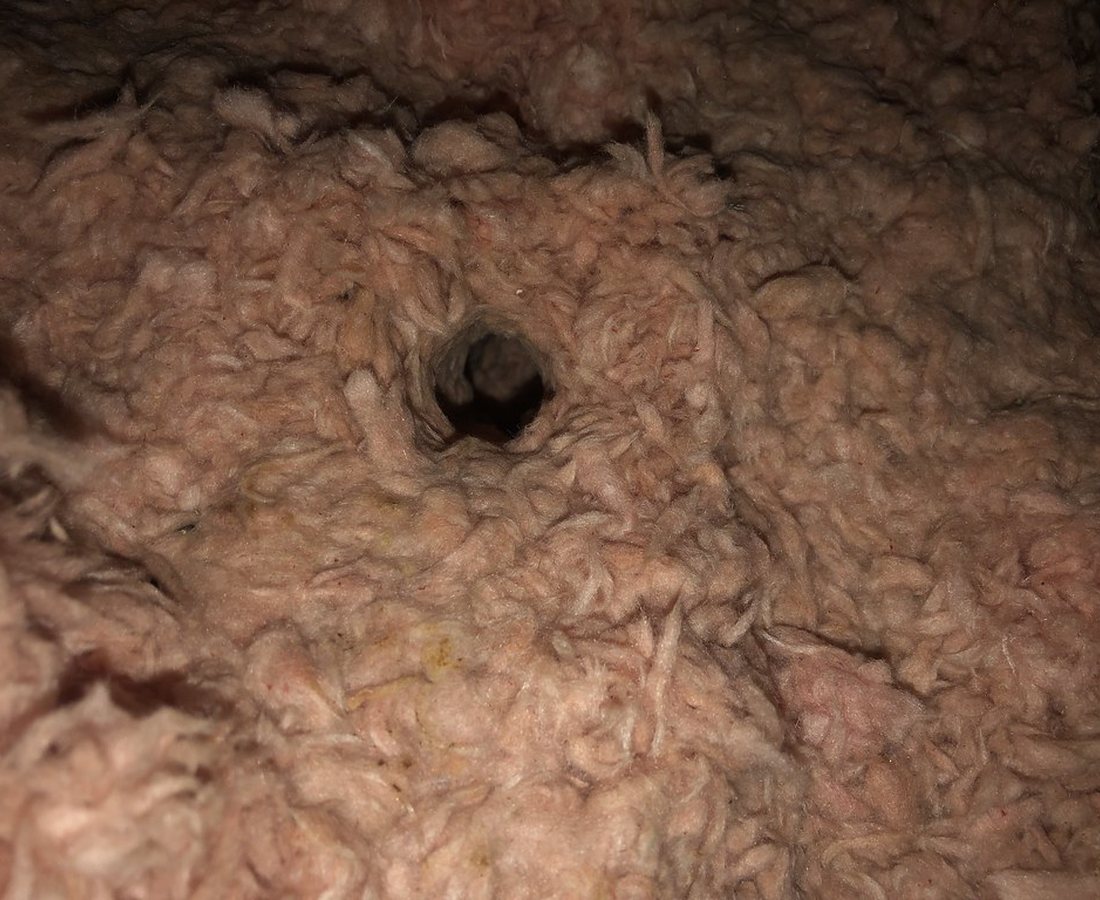
A rat gets through a hole the size of a quarter. Trapping without exclusion is a treadmill, so the crawl-space vents and the utility penetrations get closed.
The price before the work
No surprise charges, no pressure at the door. You hear what it costs, what is in scope and what is not, and then you decide.
Answered beyond office hours
Wasp nests and rodents in a living space do not wait for Monday morning. Calls are taken from 7am to 9pm, every day of the week.
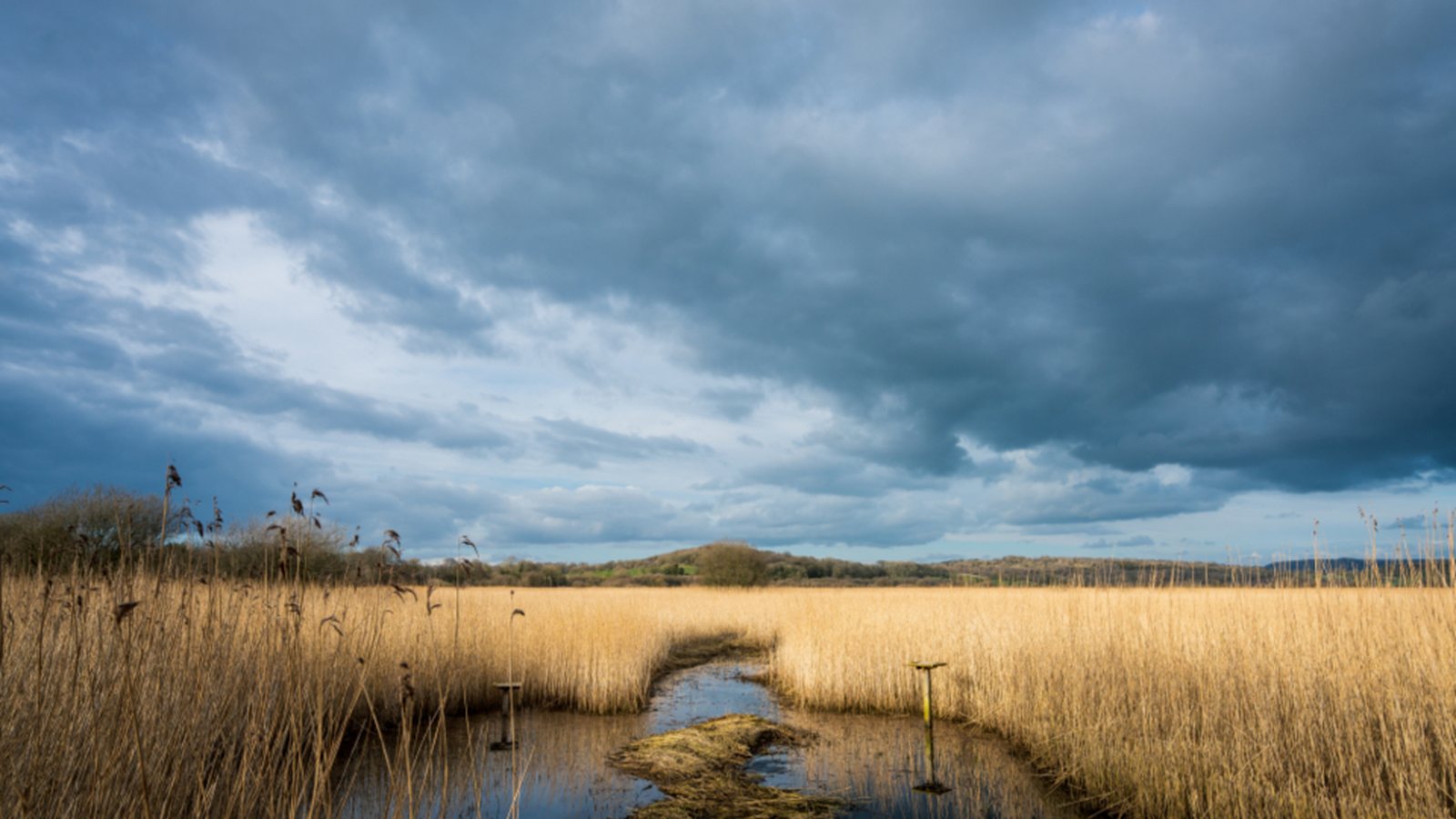
The rain gets there first. The pests follow it in.
Wet framing is what a carpenter ant wants. A blackberry hedgerow is what a rat wants. Pest control that ignores the water and the brush is a treatment you buy again next year.
How the work is doneWhat you get on the phone
Somebody who asks what the insect looked like, where you saw it, what time of day, and whether there was sawdust under it. Those four answers usually name the species before anyone drives out.
Then you get a plain description of what treatment involves, what it costs, and what you should do before the visit. If the answer is that you have a plumbing problem rather than an ant problem, you will be told that too.
The work is carried out by an experienced local exterminator who knows Snohomish County housing stock.
What we handle
Pest control services in Marysville
Eight problems, eight different approaches. Pick the one that matches what you are seeing, or call and describe it.
Ant Extermination in Marysville
Trails on the counter mean a colony somewhere in the wall, the crawl space or a stump in the yard. Sprays kill the scouts. Baiting kills the nest.
Read more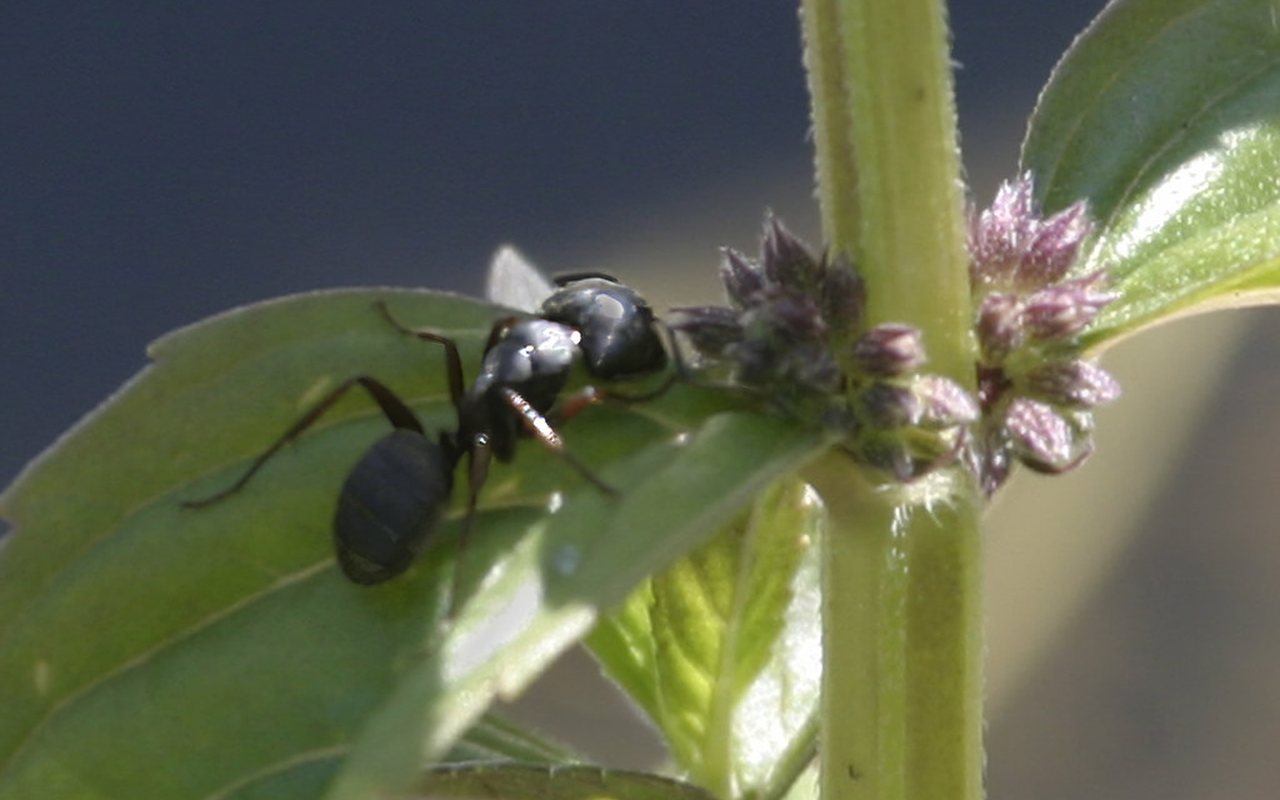
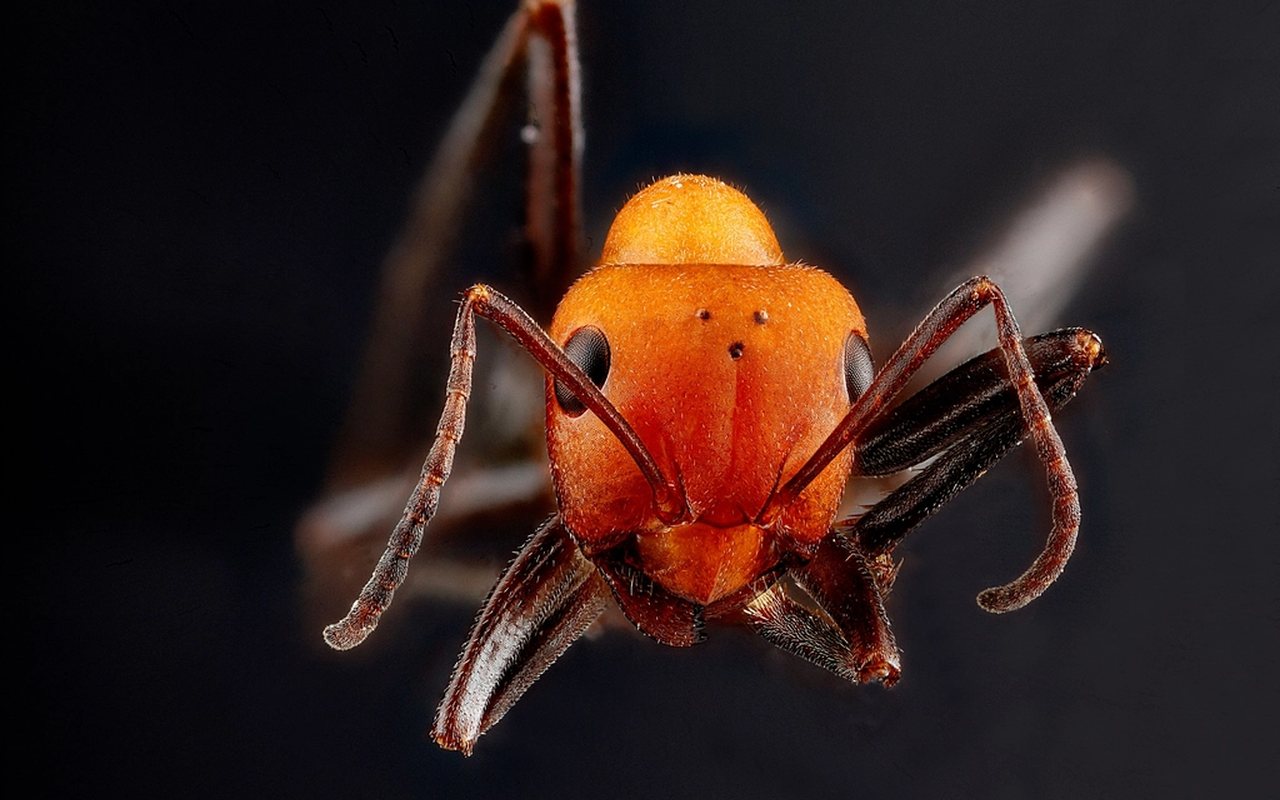
Carpenter Ants in Marysville
The defining structural pest of the wet side. Camponotus modoc does not eat your house, it moves in wherever the rain got there first.
Read more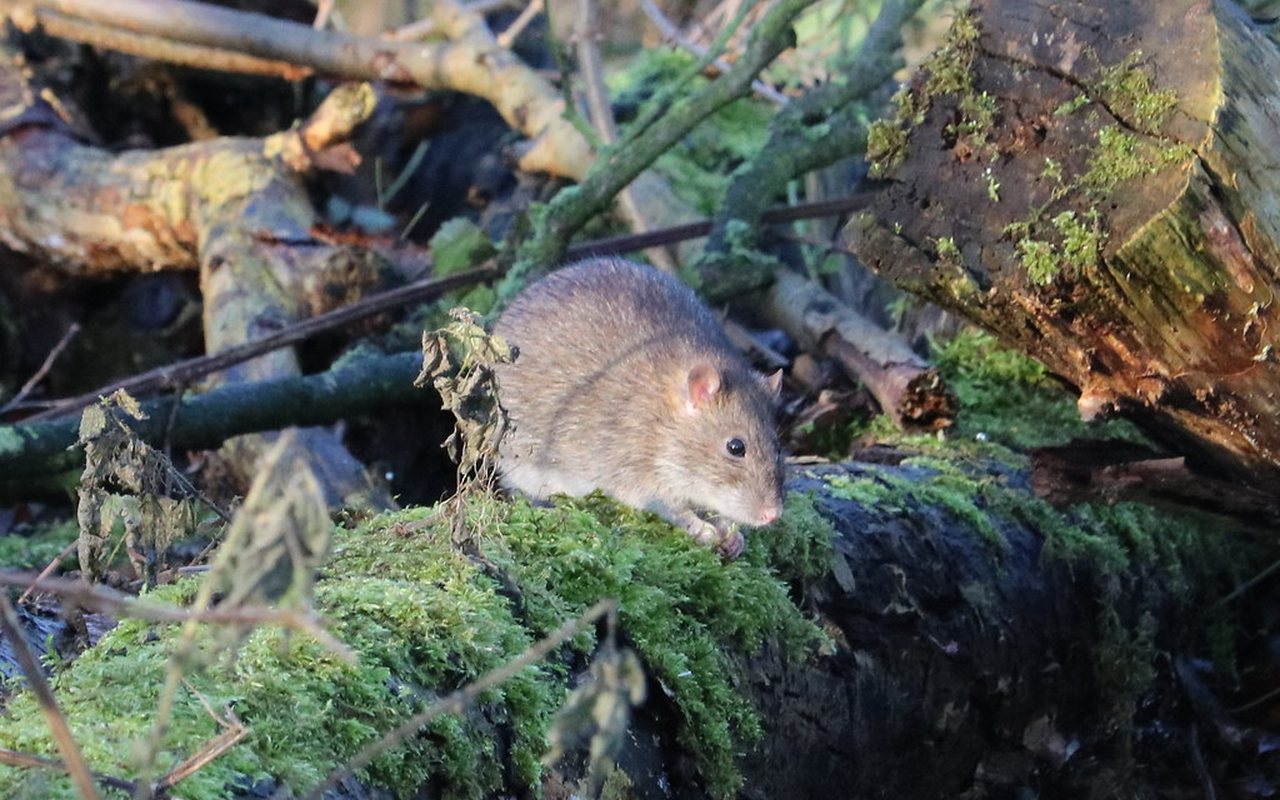
Rodent Control in Marysville
Trapping without exclusion is a treadmill. The job is finding the hole, and in a Marysville crawl space there is always more than one.
Read more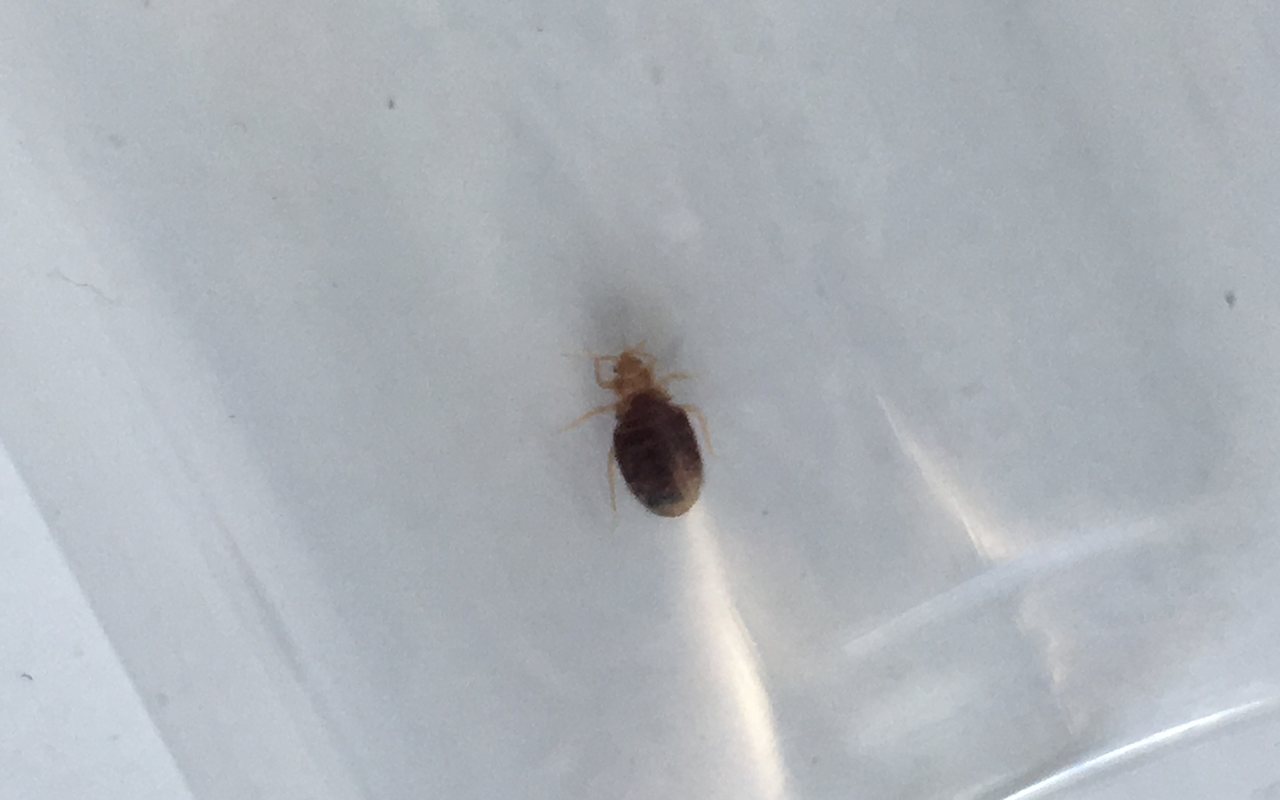
Bed Bugs in Marysville
They came home in a bag, not from a dirty house. Treatment is heat, thoroughness and a second visit, and there is no shortcut.
Read more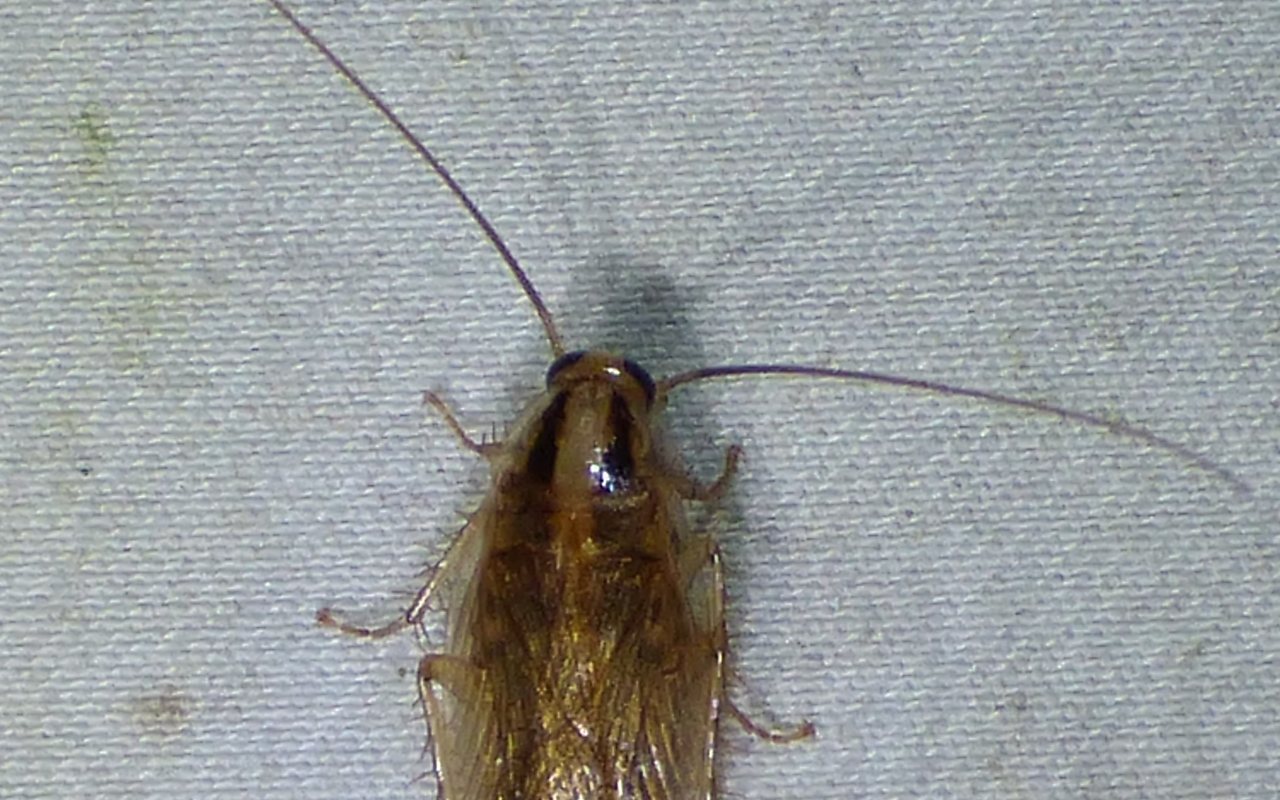
Cockroaches in Marysville
German roaches double every few weeks and live in the hinges, not the open floor. Gel bait and sanitation beat a spray every time.
Read more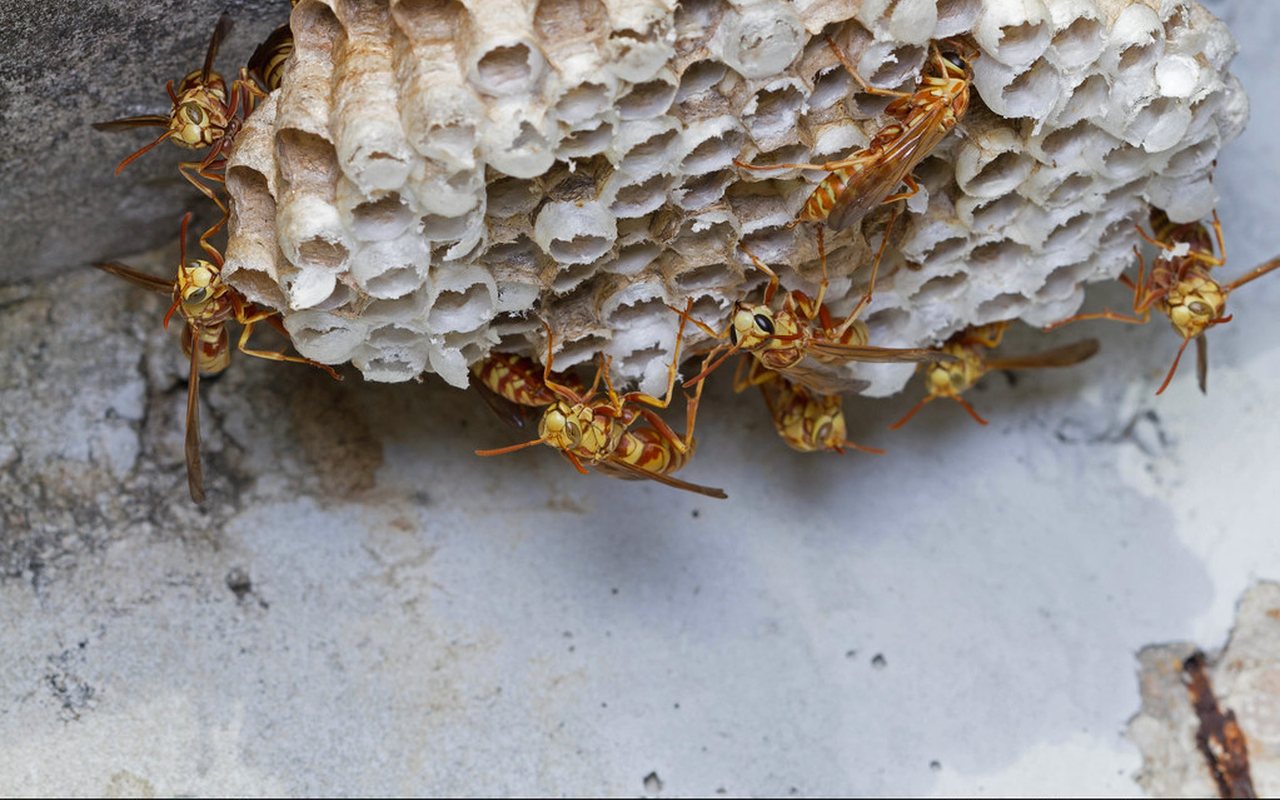
Wasps & Hornets in Marysville
August is the month. A ground nest of western yellowjackets under a lawn is the most common sting emergency in Snohomish County.
Read more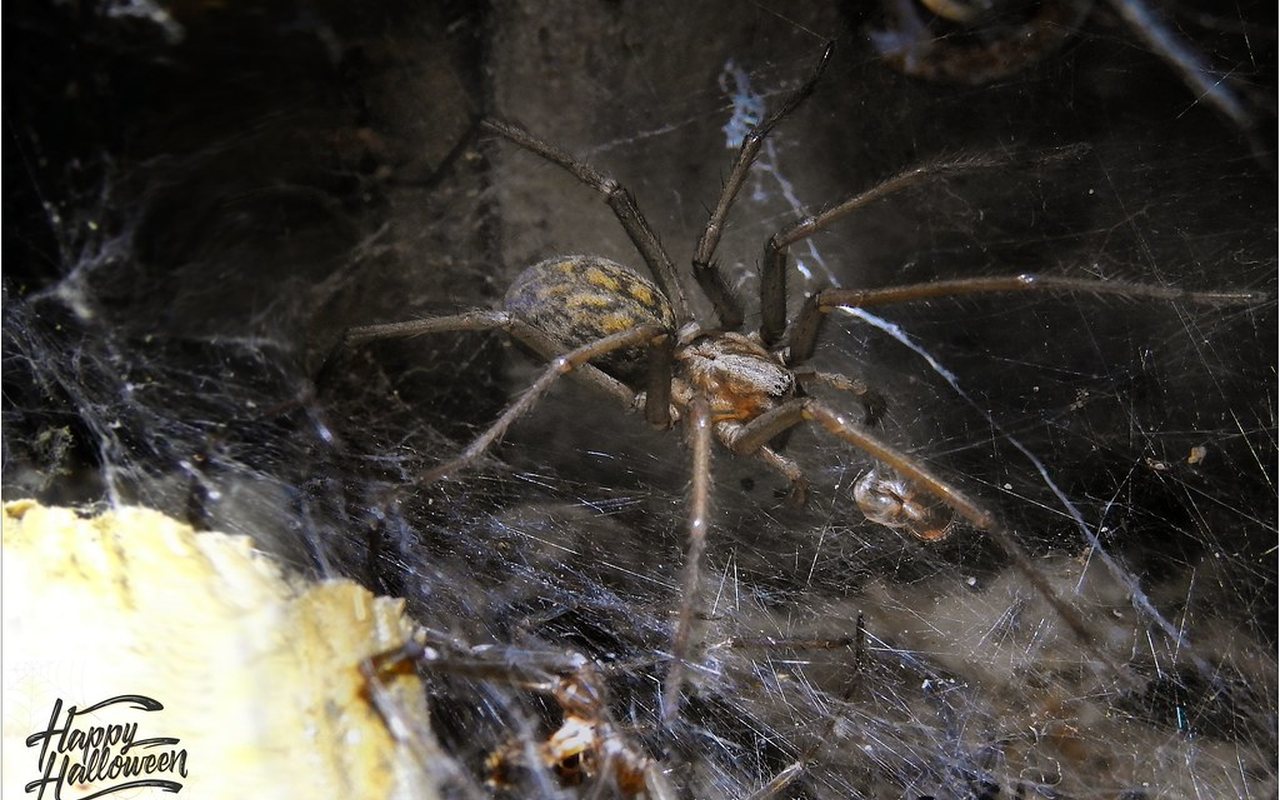
Spiders in Marysville
Kill the spiders and you still have spiders, because you still have the insects they eat. Spider control is really insect control plus web removal.
Read more
Commercial in Marysville
A health inspector does not care that you called. They care whether you have documentation, monitors and a corrected finding.
Read moreThe Marysville pest library
Fourteen species that actually live here
Not a national list. These are the insects and rodents that turn up inside Snohomish County homes, and each one needs a different treatment.
What happens when you call
Three steps, no theatre
Borrowed from the way the best operators in Snohomish County actually work, because it is the only sequence that ends a pest problem instead of postponing it.
1. Track it
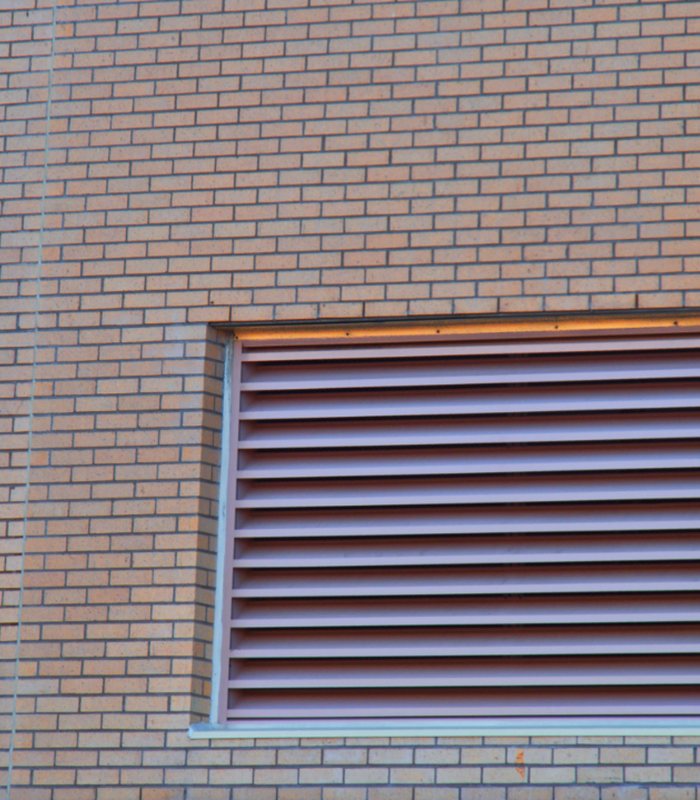
Outside first, because the answer usually lives there. Vents, penetrations, the roofline, the mulch line, the hedgerow. Then inside, following the trail back to the wall void or the harborage. The species gets named before any product is chosen.
2. Treat the nest
Non-repellent products and baits that get carried back to the colony, not a repellent spray that splits it. Traps on the runways rats actually use. Heat for bed bugs. The treatment is matched to the insect, not to the invoice.
3. Seal and correct
Hardware cloth over the vents, copper mesh at the pipes, a sweep on the garage door, limbs cut back from the roof, mulch pulled off the siding. Plus a written list of what to fix. This is the step that decides whether they come back.
The wet side pest index
Summer pattern · Snohomish CountyThis is the typical seasonal pattern for Snohomish County, drawn from how these species behave in a maritime climate. It is a guide to what is likely happening in your yard this month, not a measurement of your property. Carpenter ants forage hardest through the warm months, rodents push indoors with the first sustained cold rain, and yellowjacket colonies peak in August.
The carpenter ant line-up
Is it a carpenter ant?
Four insects that turn up in wet framing on this side of the Cascades, and the one detail that separates each of them. Get this wrong and the treatment is wrong.
Western Carpenter Ant
Camponotus modoc
Moisture Ant
Lasius spp.
Odorous House Ant
Tapinoma sessile
Pacific Dampwood Termite
Zootermopsis angusticollis
Still not sure? Our guide to telling carpenter ants and termites apart walks through the waist, the wings, the antennae and the galleries.
Where we help
Marysville and the towns around it
Every neighborhood here has a different pest driver. The estuary, the treeline, the commercial corridor and the cleared subdivisions all behave differently.
Also serving Quil Ceda Village, Kellogg Marsh, Shoultes, Cedarcrest, Sunnyside and Priest Point. See all service areas.
Local conditions
Why Marysville homes get the pests they get
Pest control in Marysville, WA is not a generic problem with a generic answer. This is a maritime town wedged between the Snohomish River delta and the second-growth timber of the Cascade foothills, and it takes roughly forty inches of rain a year, most of it between October and May. The single most important fact about pest pressure here is that wood stays wet.
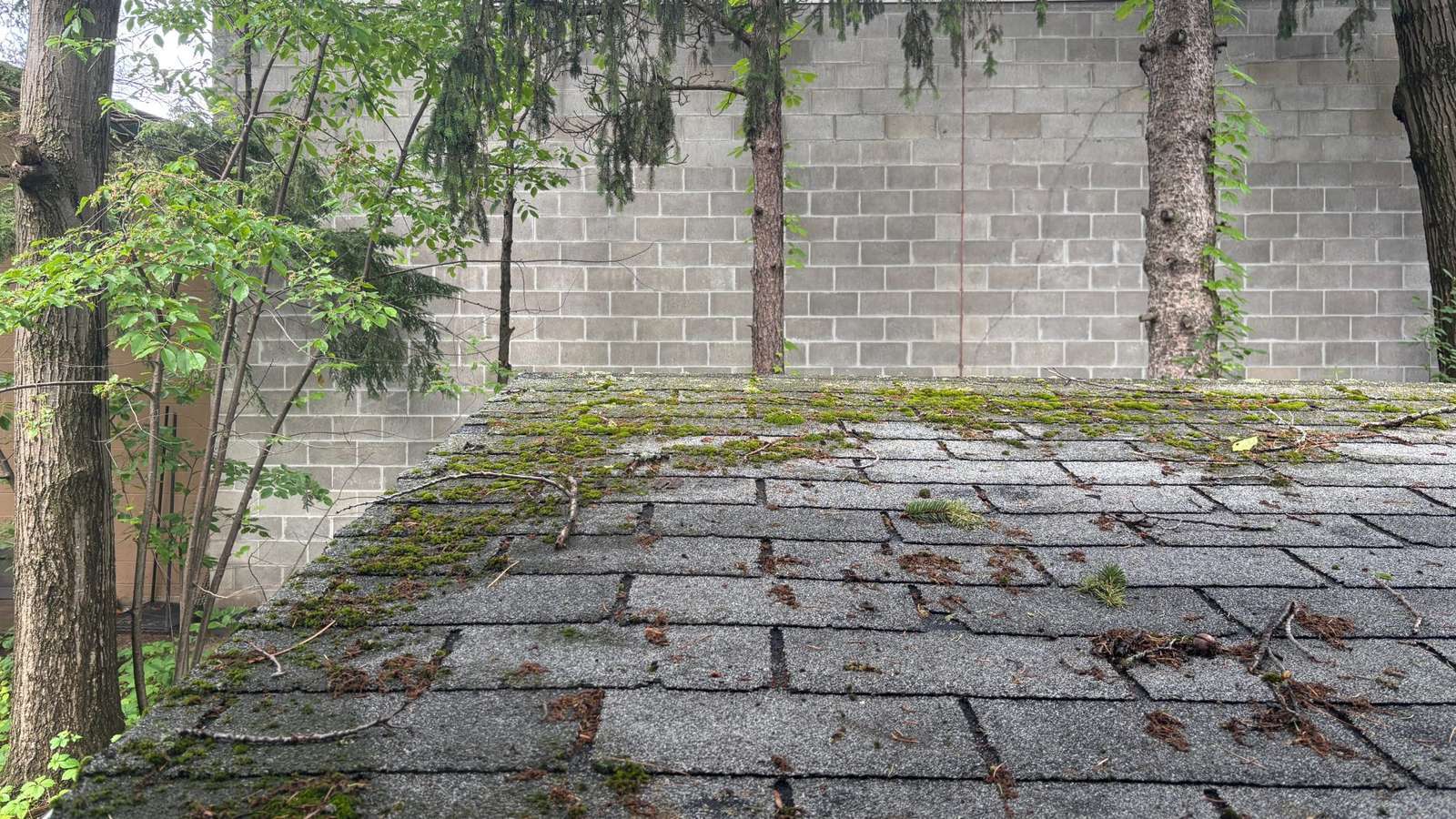
Look at the housing stock. A large share of Marysville homes went up between the sixties and the nineties, and roofs here grow moss the way the rest of the country grows grass. Every one of those details is a pest feature. Moss holds water against the fascia until the fascia softens, and a softened fascia is a roof rat door. Crawl-space vent screens rust out over thirty years. The vapor barrier under the house has been torn by every plumber and cable installer for decades, which raises the humidity of the whole underfloor, which softens the rim joist, which is exactly the wood a western carpenter ant wants for a satellite gallery.
Then look at the yards. Himalayan blackberry is the rodent nursery of the Puget lowlands and it colonizes every fence line, every drainage swale and every disturbed edge within two years. English ivy on a wall is a ladder. English laurel against the siding is harborage. Firewood on bare dirt is a Norway rat condominium. And when a lot up in Getchell or Cedarcrest gets cleared for a new subdivision, the alder and big-leaf maple stumps stay in the ground, decaying beautifully, hosting carpenter ant parent colonies within striking distance. Homeowners assume a new house cannot have an ant problem. It is precisely the opposite.
The geography
Neighborhood by neighborhood
Five zones, five different pest drivers. Where your house sits decides what shows up in it more than the age of the house does.
Ebey Slough and the Qwuloolt estuary put tidal marsh, cattails and dense brush within walking distance of the older houses off State Avenue and around Comeford Park. That edge holds Norway rats permanently, and it puts them into downtown crawl spaces every autumn. The older foundations there have sewer and gas penetrations that were never properly sealed, which is why rodent control downtown is nearly always a sealing job before it is a trapping job.
Driver: estuary brush & unsealed penetrationsWest across the freeway, Tulalip takes salt air and constant damp off the bay, with second-growth conifer on the ridge behind. Wet framing plus a treeline is the ideal carpenter ant setup, and it produces some of the heaviest carpenter ant treatment calls in the county.
Driver: salt damp & conifer treelineNorth of the city, the Smokey Point corridor runs warehouses, big-box retail and restaurant dumpster enclosures along I-5, which is an unbroken rodent food line. The residential streets of Lakewood behind it absorb the overflow every October.
Driver: commercial food line & overflowEast, Lake Stevens generates midges and mosquitoes off the water from May onward. Every porch light on every lakeside house becomes an insect magnet after dark, and the orb weavers and giant house spiders set up exactly where the light meets the siding.
Driver: lake insects & exterior lightingOut on the acreage toward Arlington and the Stillaguamish valley, the picture changes again: barns, feed, outbuildings and field edges, which means deer mice, and deer mice are the hantavirus reservoir in the Pacific Northwest. Never dry-sweep or vacuum a mouse nest in a shed or a crawl space. Wet it down first.
Driver: outbuildings, feed & field edgesThe Marysville pest calendar
What happens, and when
Everything here runs on a wet-side clock, and it barely varies from year to year. Knowing the month tells you most of what you need to know.
Carpenter ant swarmers, indoors
Winged carpenter ants appear inside heated homes months before anything is flying outdoors. This is the single most reliable sign that a colony is already inside the structure rather than out in a stump.
Ant trails, and quiet queens
Ant extermination calls climb as foraging picks up. At the same time, single overwintered yellowjacket queens found nests the size of a walnut, and nobody notices.
Colonies build
Wasps are busy hunting caterpillars and mostly indifferent to you. A yellowjacket nest found in July is a small nest and a one-visit problem. Walk the lawn slowly and look for the traffic.
The sting season
Western yellowjacket colonies hit several thousand insects and switch from hunting caterpillars to scavenging sugar, which puts them on the picnic table, at the Strawberry Festival food line and inside the pop can. Ground nests get found by lawnmowers, and that is how most of the county's stings happen. This is the window for wasp and hornet removal.
The spiders wander
Nothing invaded. Male giant house spiders have reached maturity and left their retreats to find a mate, and they blunder across the living room floor at nine at night. It lasts six weeks. Neither the giant house spider nor the hobo spider is the dangerous animal the internet claims, and there are no brown recluse spiders in Washington at all, which is worth knowing before anyone fogs a bedroom. Sensible spider control is a perimeter treatment, web and egg-sac removal, and swapping the porch bulb to warm amber so the insects the spiders eat stop showing up.
The rodents move
The trigger is the first sustained cold rain. Every rat that spent a comfortable summer in a blackberry hedgerow, a compost pile or a creek bank starts looking for somewhere warm and dry, and the warmest, driest structure in the yard is your house. Nothing invaded here either. The population was always there. The weather changed the arithmetic, and the vent screen has been rusted out for a decade.
What good pest control actually looks like here
Inspection before treatment, always. The species named before a product is chosen, because a carpenter ant, a moisture ant and an odorous house ant call for three completely different responses and only one of them means your framing is wet. Baits and non-repellent products rather than the repellent aerosols that split odorous house ant colonies and scatter German cockroaches from three cabinets into twelve. Traps on the runways rodents actually use, identified by the greasy rub marks along the baseboard, rather than bait stations scattered where they are convenient. Whole-room heat for bed bugs, and a follow-up visit timed to the egg hatch, because any bed bug or cockroach plan that stops at one visit is a plan to do the job twice.
And then the correction list, which is where most of the value sits and where most homeowners try to save money. Hardware cloth over the crawl-space vents. Copper mesh and sealant at every pipe penetration. A garage door sweep that touches the concrete across its full width. Limbs cut back six feet from the roofline. Gutters cleared after the fall needle drop. Downspouts extended. Mulch pulled six inches off the siding. Ten feet of clear, open, dry ground between the blackberry and the foundation. That list is unglamorous, it costs almost nothing, and it does more than any product on the truck.
If you own a restaurant on State Avenue, a warehouse off the Smokey Point corridor, a care facility or a rental building, the same principles apply with paperwork attached. Commercial pest control is a documentation business as much as a pest business, and what turns a routine health-department visit into an expensive one is a live finding with no service record behind it.
Call 360-233-2008 and describe what you have seen, where, and for how long. You will get a straight answer, an honest estimate, and no pressure. Calls are answered from 7am to 9pm, seven days a week, and if what you need is a plumber rather than an exterminator, you will be told that instead.
Questions
Pest control in Marysville, answered
The questions people actually ask before they call.
How fast can someone come out in Marysville?
Call and describe the problem. Same-week scheduling is normal and urgent situations, like a wasp nest by a front door or a rodent in a living space, get moved up. Calls are answered from 7am to 9pm, seven days a week.
What pests do you handle?
Ants and carpenter ants, rats and mice, bed bugs, cockroaches, wasps and hornets, spiders, silverfish and the rest of the ordinary wet-side run. Termites are less common here than carpenter ants, but both are handled.
What does pest control cost in Marysville?
It depends on the pest, the size and access of the structure, how long the problem has run and whether exclusion work is included. You get the price before the work starts. Our cost guide sets out the real ranges by pest.
Is the treatment safe for kids and pets?
Modern pest work is mostly targeted baiting and void treatment rather than broadcast spraying, and the exterminator will tell you the re-entry interval for whatever product is used. Ask, and follow the preparation instructions you are given.
Do I need to leave the house during treatment?
Usually not. Whole-room heat treatment for bed bugs is the main exception, because the room is brought to a lethal temperature. Everything else is normally a stay-at-home visit.
Why do the ants come back every spring?
Because the conditions did not change. A stump within twenty feet of the foundation, bark mulch against the siding, a plugged downspout or a soft rim joist will re-seed a colony every single year, no matter how well last year was treated.
Do you handle apartments and rentals?
Yes, and for bed bugs and German cockroaches the adjacent units matter. Both travel shared wall voids and plumbing chases, so treating one unit between two untreated units rarely holds.
Call now
Tell us what you are seeing, and where
Describe the pest, the room and how long it has been going on. You will get straight answers and an honest estimate before any work starts. No obligation.
Calls answered 7am to 9pm, seven days a week