Commercial
Commercial Pest Control in Marysville, WA
A health inspector does not care that you called. They care whether you have documentation, monitors and a corrected finding.
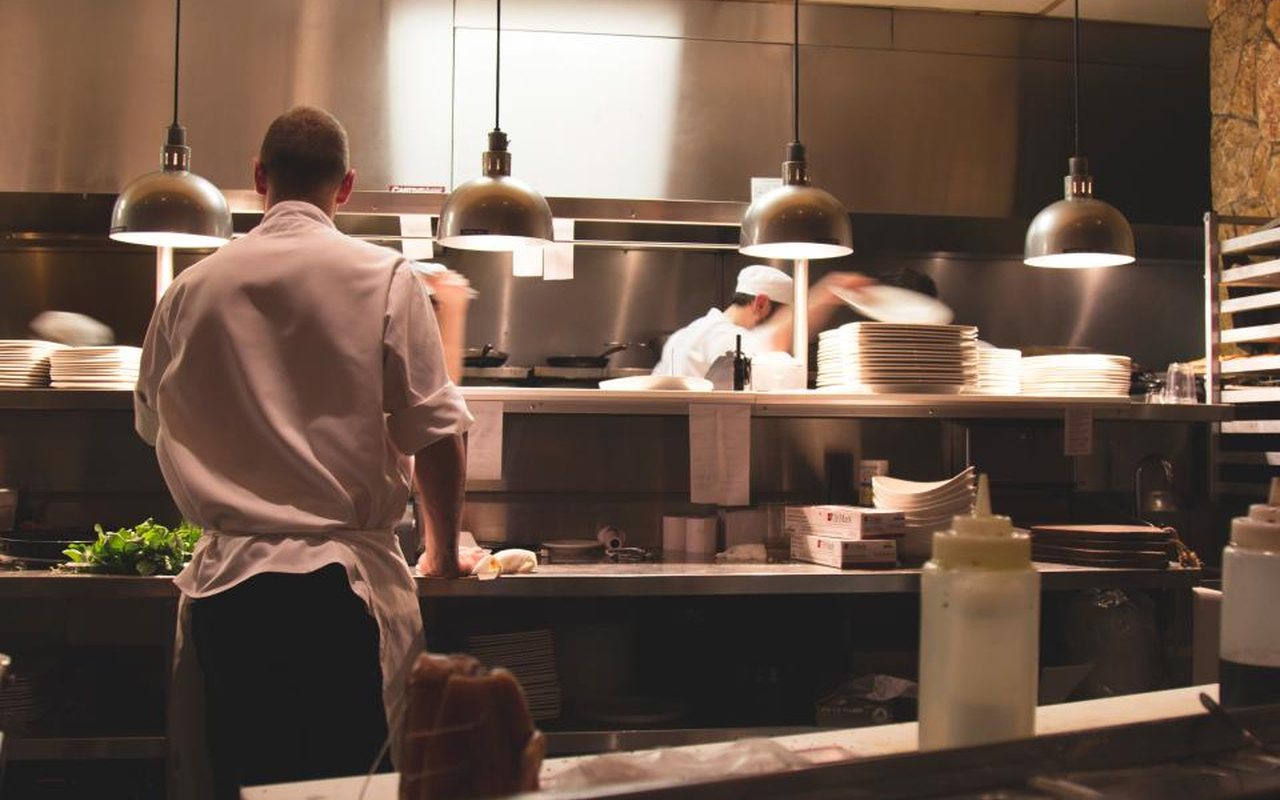
Commercial pest control in Marysville is a documentation business as much as a pest business. Restaurants along State Avenue, grocers, warehouses off the Smokey Point corridor, care facilities, schools and multifamily buildings all get inspected, and what closes a kitchen is a live finding with no service record behind it.
What a commercial program includes that a home visit does not
That logbook is the difference between a routine health-department visit and a bad one. When an inspector in Snohomish County finds evidence, the first question is what your program is and when it was last serviced. A documented program with a corrected finding is a very different conversation from a phone call placed that morning.
- A written pest management plan naming the target pests, the thresholds and the responses
- Numbered, mapped monitoring devices with a trend record, not just bait stations
- A logbook, on site, with every service report, product label and safety data sheet
- Scheduled service at an interval matched to the risk, from monthly to weekly
- Corrective-action findings written to the operator, with photographs
- An exclusion scope for the building envelope, dock doors and utility penetrations
The pests by facility type
Food service: German cockroaches in the dishwasher and the hinge recesses, fruit flies in the floor drain and the mop sink, Norway rats on the dumpster pad, and small flies breeding in the organic film under the equipment legs. Most fly problems here are drain problems and the fix is mechanical cleaning, not a spray.
Grocery and retail: stored-product pests in the bulk aisle and the back stock, rodents on the receiving dock, and birds in the entry vestibule. Warehousing off the Smokey Point corridor adds dock-door gaps and pallet-borne introductions.
Multifamily: bed bugs and German cockroaches moving through shared wall voids and plumbing chases, and rodents in the crawl spaces of older buildings. The unit-by-unit approach never works. Coordinated adjacent-unit treatment does.
Care facilities and schools: reduced-risk products, tight documentation, and treatment windows outside occupancy. Washington schools operate under integrated pest management requirements, so the record keeping is not optional.
Integrated pest management, plainly
Integrated pest management is not a marketing phrase, it is an order of operations. Inspect and monitor before you treat. Identify the species before you choose a product. Exclude and correct the conditions first, because a mouse that cannot get in does not need a trap. Use the least-risk effective material, in the smallest quantity, at the right place. Then measure, and change the plan when the monitors say to.
Day to day, on a Marysville restaurant, that means the exterminator spends more time on your dumpster pad, your dock door sweep, your floor drains and your equipment legs than on any product. The dumpster fifteen feet from the back door with a broken lid is the rodent program. The floor drain nobody has scrubbed in six months is the fly program.
Getting a commercial program started
Call and describe the building, the square footage, the use, the current problem and the inspection history. An experienced local exterminator will want to walk the property before quoting anything, because the price of a monthly program on a five-thousand-square-foot restaurant with a shared dumpster enclosure and one on a dry-goods warehouse are not comparable.
Expect an initial service that is heavier than the maintenance visits, a device map, and a service interval. Expect corrective findings you will not enjoy reading. That list is the reason the program works.
One more thing worth knowing before the walkthrough. The building envelope decides most of the outcome, and the envelope is usually somebody else’s budget. Dock-door sweeps, roof drains, the gap under the man door, the broken dumpster lid and the floor drains nobody scrubs are the program. A treatment that arrives monthly and sprays around those problems is a line item, not a solution, and the health inspector will notice the difference before you do.
Read more on what pest control costs in Marysville, or call 360-233-2008 and describe what you are seeing.
what pest control costs in Marysville · All pest control services in Marysville
Related
People who called about this also called about

Rodent Control in Marysville
Trapping without exclusion is a treadmill. The job is finding the hole, and in a Marysville crawl space there is always more than one.
Read more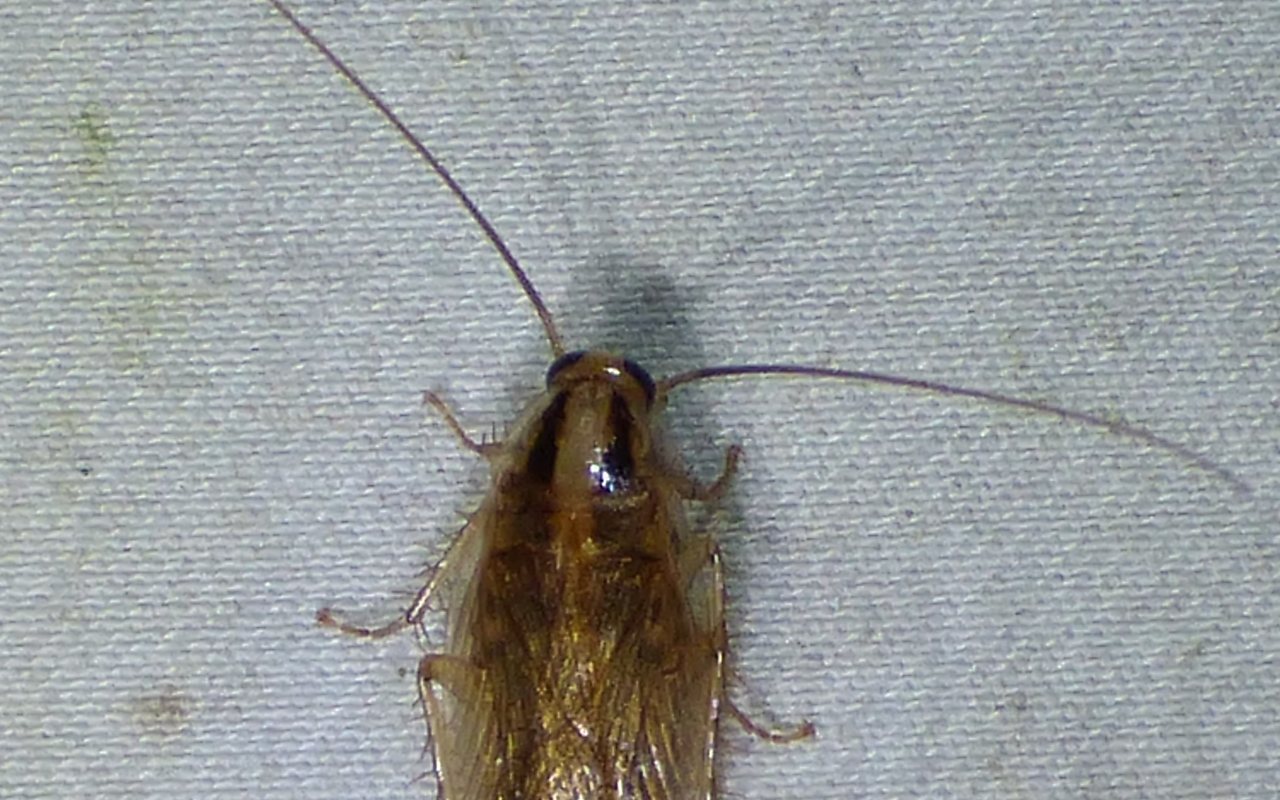
Cockroaches in Marysville
German roaches double every few weeks and live in the hinges, not the open floor. Gel bait and sanitation beat a spray every time.
Read moreQuestions
Commercial in Marysville, answered
How often should a restaurant be serviced?
Monthly is the common baseline. Kitchens with an active German cockroach or fly problem, or a shared dumpster enclosure, often start biweekly or weekly and step down once the monitors are clean.
Do you provide documentation for health inspections?
A commercial program is built around it. Service reports, a device map, product labels and safety data sheets belong in an on-site logbook, and corrective findings are written to the operator.
Can you treat a multifamily building unit by unit?
For bed bugs and German cockroaches, treating one unit between two untreated units rarely holds. Adjacent units need to be inspected and treated together, because both pests travel the shared wall voids and plumbing chases.
What does commercial pest control cost in Marysville?
It varies with square footage, use, service interval and the state of the building envelope. A walkthrough comes before any number. Ask for the scope in writing, including what exclusion work is and is not included.
Call now
Tell us what you are seeing, and where
Describe the pest, the room and how long it has been going on. You will get straight answers and an honest estimate before any work starts. No obligation.
Calls answered 7am to 9pm, seven days a week